The dream of the modern entrepreneur has shifted from the corner office to the concept of “mailbox money.” In an era where time is the most valuable currency, the search for a business model that provides high returns with minimal oversight has led many to the world of automated retail. While traditional vending machines have been around for decades, a new wave of technology and service-based logistics has transformed this dusty industry into a high-tech goldmine.
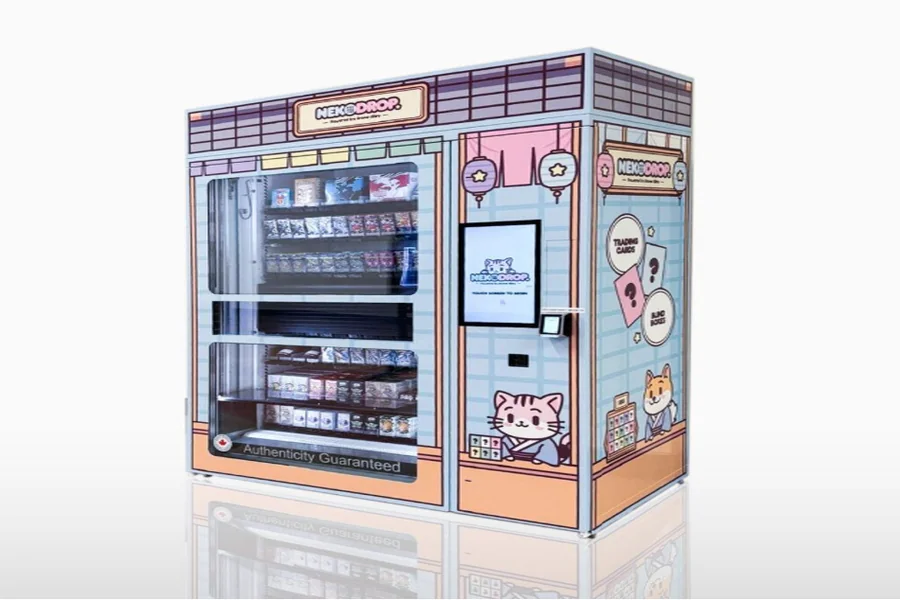
NekoDrop offers a revolutionary approach to this space by removing the steep learning curve and heavy lifting typically associated with starting a retail venture. By streamlining the path from investment to profit, this model has effectively lowered the barrier to entry for anyone looking to diversify their income streams without sacrificing their 40-hour work week or their weekends.
The Evolution of the “Turnkey” Business
For years, “turnkey” was a buzzword used in real estate to describe properties that were ready for immediate rental. However, real estate requires significant capital, property management, and the constant headache of tenant relations. The vending industry has stepped in to fill the gap for those who want the asset-backed security of real estate with the agility of a tech startup.
A true “Done-For-You” (DFY) business is one where the infrastructure, the supply chain, and the operational logistics are handled by experts. This allows the investor to act as the strategist rather than the technician. In the context of modern vending, this means you aren’t the one driving a van across town at 2:00 AM to fix a jammed coin slot. Instead, you are the owner of a micro-retail network that works while you sleep.
Site Placement: The Prime Real Estate of Vending
The oldest adage in business still holds true: location is everything. The failure of most novice vending operators stems from poor placement. Putting a high-end machine in a low-traffic breakroom is a recipe for stagnation. This is where the DFY model shines.
Professional site procurement teams use data-driven analytics to secure high-traffic contracts in locations such as:
- Luxury Apartment Complexes: Where residents value convenience for late-night snacks or essentials.
- Medical Centers and Hospitals: Facilities that operate 24/7 and have a constant rotation of tired staff and waiting visitors.
- Fitness Centers: Prime locations for high-margin items like protein shakes, electrolytes, and wellness products.
- Corporate Hubs: Large office buildings where employees prefer grabbing a quick refreshment over leaving the building.
By handling the negotiations and legal contracts for these “A-List” locations, the business model ensures that your machines are positioned in front of a hungry, captive audience from day one.
The “Done-For-You” Advantage: Maintenance and Tech
One of the biggest fears for aspiring side-hustlers is the “broken machine” scenario. In the past, a malfunctioning sensor could mean days of lost revenue. Modern turnkey solutions have mitigated this risk through two specific avenues: remote monitoring and professional maintenance networks.
1. Smart Inventory Management
Today’s machines are equipped with cloud-based telemetry. You can log into a dashboard on your phone and see exactly how many units of a specific beverage have sold, the current temperature of the cooling unit, and the exact dollar amount sitting in the vault. This data-driven approach eliminates guesswork and ensures that restocking trips are only made when absolutely necessary.
2. Hands-Off Maintenance
The “Done-For-You” aspect includes a dedicated team of technicians. If a machine requires a mechanical update or a software patch, it is handled by the provider. For the investor, this transforms a mechanical asset into a purely financial one. You are not buying a machine; you are buying the cash flow that the machine generates.
Analyzing the Revenue Potential: The Path to $74,000
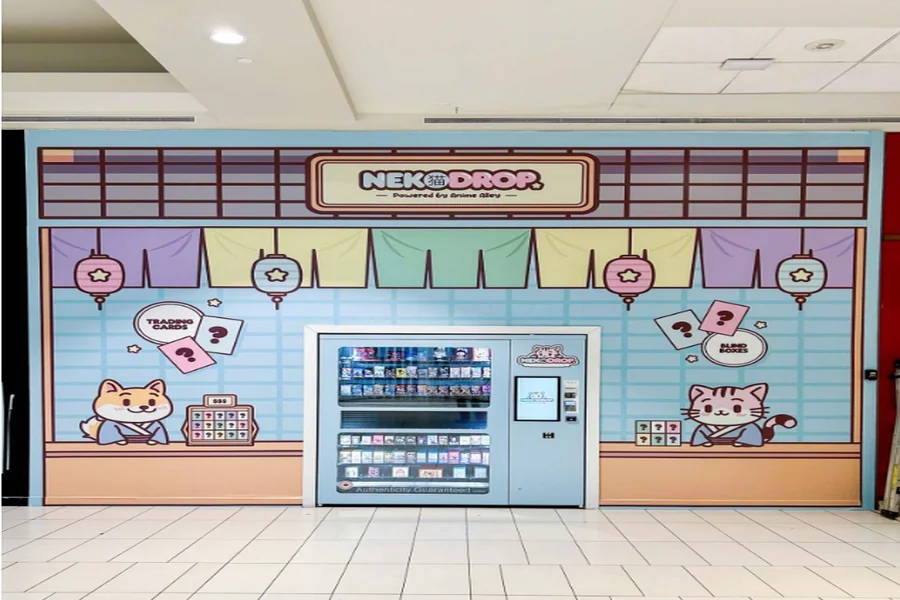
The most compelling reason to enter the automated retail space is the math. Unlike many service-based businesses where you trade time for money, a vending machine has no ceiling on its hourly earnings. It can process a transaction at 3:00 PM and 3:00 AM with the exact same overhead.
Let’s look at a hypothetical growth scenario for a dedicated investor scaling their fleet.
The Single Unit Foundation
A high-performing machine in a premium location can easily gross $150 to $200 per day. If we take a conservative average of $160 per day:
- Daily Gross: $160
- Monthly Gross: $4,800
- Annual Gross: $57,600
Scaling to the “Gold Standard”
For many investors, the goal is a small fleet of 3 to 5 machines. If an operator manages a small circuit of high-traffic machines, hitting a gross profit of $74,000 per year becomes a very realistic milestone.
Consider a three-machine circuit:
- Machine A (Hospital Lobby): $90/day
- Machine B (Gym/Wellness Center): $70/day
- Machine C (Upscale Apartment): $50/day
- Total Daily: $210
- Total Annual Gross: $76,650
When you subtract the Cost of Goods Sold (COGS), which typically sits around 30% to 40% for vending items, the net take-home pay remains significantly higher than almost any other passive investment vehicle, including dividend stocks or REITs.
Why Now is the Time to Start
The consumer landscape has shifted. We are living in a “contactless” economy where shoppers prefer automated interactions over waiting in long retail lines. Furthermore, the “Great Resignation” and the shift toward the gig economy have proven that relying on a single paycheck is a risky strategy.
The beauty of the vending frontier is its resilience. Even in economic downturns, people still buy snacks, drinks, and basic necessities. It is a “recession-resistant” business because it serves small, everyday needs that people aren’t willing to cut from their budgets.
Low Overhead, High Scalability
Traditional brick-and-mortar businesses require rent, electricity, insurance, and a large staff. A vending machine requires a few square feet of floor space and a standard power outlet. Because the DFY model handles the logistics, you can scale from one machine to ten without significantly increasing the amount of time you spend on the business.
Conclusion: Taking the Leap
The transition from an aspiring entrepreneur to a successful business owner often comes down to one thing: systems. If you try to build every system from scratch, you will likely burn out before you see a profit. By leveraging a “Done-For-You” system, you are essentially “skipping the line.”
You get the prime locations, the high-end hardware, and the professional maintenance without having to spend years learning through trial and error. Whether your goal is to replace your full-time income or simply build a robust college fund for your children, the automated retail sector offers a clear, documented path to success.
With gross profit potentials reaching as high as $74,000 a year for well-placed fleets, the question isn’t whether vending works, but rather, how many machines do you want working for you? The frontier is open, the technology is ready, and the locations are waiting. It’s time to stop trading your hours for dollars and start building an automated empire.