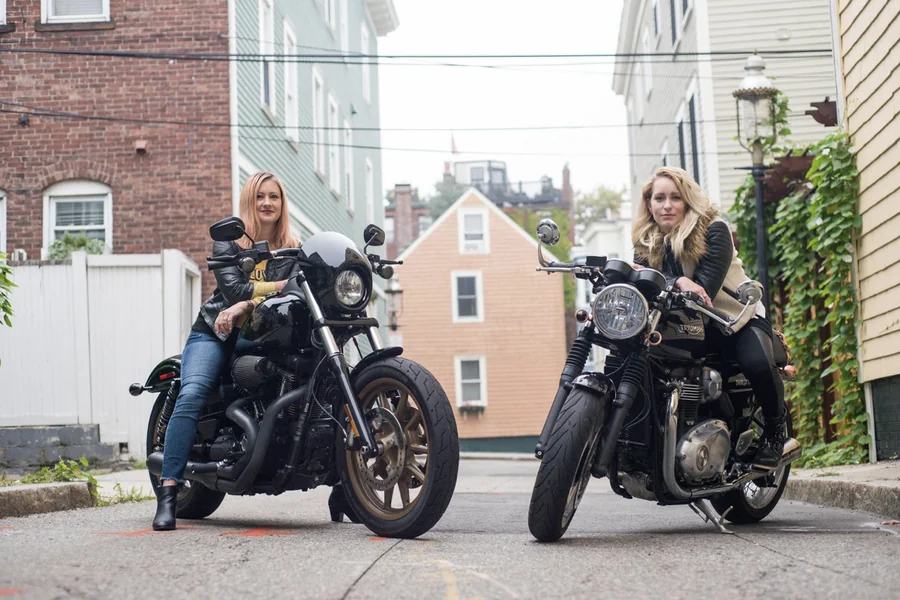
Walk into a riding meetup in Houston today and the crowd looks different than it did ten years ago. There are more women in the parking lot, more women leading group rides, and more women teaching the beginner classes. Some are longtime riders who finally found others to ride with. Many are brand new, still learning how the clutch feels under their hand.
This shift is not a passing trend. It reflects real changes in how women think about travel, independence, and community in a city as spread out as Houston. This article looks at what is drawing women to motorcycles, how new riders can get started safely, and how the people at home, including pets, fit into the picture.
A Riding Community That Keeps Growing
Motorcycling has long been seen as a male hobby. That image is fading. Women’s riding groups now organize weekend runs, charity rides, and skills days across the Houston area, and social media makes it easy for a newcomer to find one. A quick search can lead to a local group that welcomes beginners and shares gear tips, route ideas, and honest advice.
Manufacturers have noticed, too. Lower seat heights, lighter frames, and jackets and boots cut for women have made bikes less intimidating for riders of every height and build. A woman who once felt the sport was not made for her can now sit on a bike and place both feet flat on the ground. That small detail matters more than it sounds. Confidence starts with control.
Houston’s size helps as well. The city offers plenty of places to ride, from open stretches near Galveston Bay to farm roads outside the city limits. A rider can spend a morning on a short loop or a full day on a longer trip. Mild winters also mean the riding season stretches longer than it does in many parts of the country, so there is more time to practice and more chances to meet other riders.
Why Women in Houston Are Choosing Two Wheels
Independence and a Break From Routine
For many riders, a motorcycle is a way to step out of a packed schedule. Work, family, and errands fill the week. A Sunday morning ride gives a few hours where the only job is paying attention to the road. Riders often describe it as a reset that a gym or a coffee shop cannot quite match.
Learning a new skill as an adult builds confidence, too. Mastering a slow-speed turn or a smooth stop is a small win, and it tends to carry over into other parts of life.
Friendship and Support
The social side is a major draw. Many women say they joined a group for the rides and stayed for the people. Members trade advice on buying a first bike, share favorite diners along the route, and show up when someone needs help with a flat tire or a move.
Group rides also teach good habits. Staying in formation, using hand signals, and checking in at rest stops are skills that experienced riders pass along without a formal lesson. New riders learn faster when someone patient rides beside them, and many seasoned women riders say mentoring newcomers is one of the best parts of the hobby.
Practical Reasons
Not every rider is chasing adventure. Some commute on a motorcycle because it is easier to park and can cost less to run than a full-size car. In a sprawling city, those points add up. Others like the lower price of a smaller bike compared to a new vehicle. These everyday benefits bring in riders who never pictured themselves in a leather jacket.
Houston Roads Ask a Lot of Riders
Riding here comes with its own set of challenges. Houston has wide freeways with fast traffic, frequent construction zones, and sudden downpours that leave water and oil on the pavement. Summer heat wears riders down, and a tired rider makes slower decisions. Drivers in cars, trucks, and delivery vans do not always look twice for a motorcycle, and that is one of the most common reasons riders get hurt.
Smart riders plan around these facts. They stay out of blind spots, leave extra following distance, and ride as if no one else can see them. They also know that even a careful rider can be caught in a crash she did not cause.
When that happens, the effects reach well beyond the rider. Medical bills, missed work, and a damaged bike arrive at the same time, and the whole household feels it. Pets feel it too, since a rider who cannot walk the dog or lift a bag of food needs help for weeks. Families in this position often talk with a Houston personal injury lawyer early on, mainly to understand their options while they focus on recovery. Knowing that help exists, and that the conversation can happen before any big decisions are made, takes some pressure off everyone at home.
Learning about rights and next steps is not pessimism. It is the same kind of preparation as buying a good helmet.
How New Riders Get Started
Starting well makes a big difference. Most experienced riders recommend the same basic path.
Take a Beginner Course
A beginner course teaches braking, turning, and how to handle emergencies in a controlled space, with an instructor watching. It also gives you a clear sense of whether riding is right for you before you spend money on a bike. Some courses provide the motorcycle, so there is no need to buy one first.
Choose Gear and a Bike That Fit
Good gear is not optional. A solid starter kit includes:
- A helmet that fits snugly and meets safety standards
- A jacket with built-in armor
- Gloves, boots that cover the ankle, and eye protection
- Bright or reflective pieces to help drivers spot you
A used, lightweight bike is often a smart first purchase because an early tip-over does less damage. Sit on several models before deciding. You should be able to plant your feet firmly and reach the controls without strain.
Build Skills Step by Step
Start in an empty parking lot, then move to quiet neighborhood streets, then busier roads. Ride with a patient friend or a group when you can. Save the highway for the point where braking and lane position feel automatic. In Houston’s heat, plan for water breaks and shorter rides in the afternoon.
Find a Group That Fits Your Pace
Not every riding group suits every rider. Some focus on long weekend trips, others on short social runs or skills practice. Visit a meetup or two before you commit and see how the group treats newer riders.
A welcoming group will match its speed to the slowest rider, explain the route ahead of time, and never pressure anyone to keep up. If a group makes you feel rushed, keep looking. The right one makes you a better rider and makes you want to come back the next weekend.
Where Home Life, Pets, and Riding Meet
Many riders share their homes with dogs, cats, and other animals, and pets shape the daily routine. The morning walk happens before the ride. The evening feeding happens after. When a rider is away for a few hours or a full weekend, someone has to cover those tasks.
A little planning goes a long way. Riders with pets can:
- Keep an emergency contact card in a wallet or phone that names someone who can care for the animals
- Share feeding schedules, vet details, and medication instructions with a trusted neighbor or friend
- Keep microchip records and ID tags up to date
- Store a few days of food and supplies in an easy-to-find spot
These steps take an afternoon to set up. They matter most on the day you hope never comes, when a rider is at the hospital and the pets are home alone.
Some riders even bring a dog along in a sidecar or a purpose-built carrier. If you are thinking about it, talk to your vet and check local rules first. Wind, noise, and vibration can frighten animals, and most pets are safer and happier at home.
Final Thoughts
The growth of women riders in Houston is about more than motorcycles. It is about a community that keeps making room for new people, and about women deciding that the open road belongs to them too. The riders who last are usually the ones who prepare well, ride within their limits, and look after the people and pets who depend on them.
A few takeaways for anyone curious about getting started:
- Take a beginner course before buying a bike
- Invest in quality gear that fits you
- Practice in low-traffic areas and build up slowly
- Find a local riding group for support and advice
- Set up a simple plan for family and pets in case something goes wrong
Ride with confidence, stay visible, and keep the people at home in the plan. That is how a good riding season gets even better.