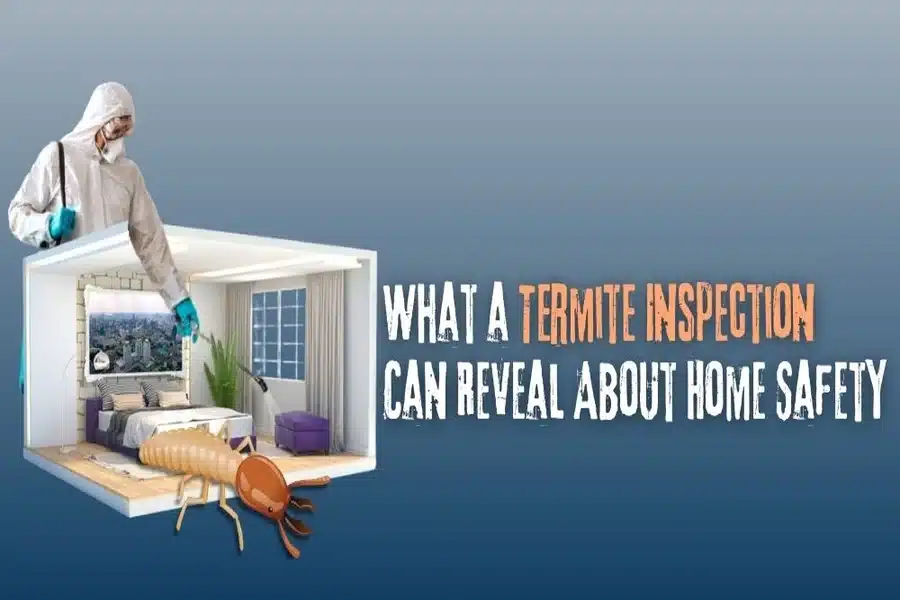
When you hear “termite inspection,” you might think it’s just about checking for pests. But the truth is, a termite inspection can do much more than find a few insects chewing through wood. It’s a crucial step in protecting your home’s structural integrity and ensuring a safe, livable environment for your family.
Every year, termites destroy billions of dollars worth of property, frequently before anybody even notices the issue. That’s why wood-destroying insect inspections are essential for more than pest control—they’re a smart move for long-term safety and home maintenance.
Detecting Early Signs of Structural Damage
Termites work silently, often causing damage for months—or even years—before a homeowner spots visible signs. Wood-destroying insect inspections are key to identifying these threats while they are still manageable. Trained professionals know where to look and what subtle signs suggest trouble. The following are structural damages caused by termites:
- Weakened support beams: Termites often target load-bearing components, such as beams in walls, attics, or crawl spaces.
- Compromised floor joists: Damage in hidden areas beneath your flooring can lead to dips, squeaks, or collapse.
- Hidden framing issues: The hollowing out of the internal structure of walls may weaken the house from within.
- Window and door warping: Shifts in the frame caused by termite damage can make doors stick and windows hard to open.
Early detection through wood-destroying insect inspections keeps these issues from turning into costly repairs and safety risks.
Identifying High-Risk Areas in the Home
Every home has spots more prone to termite activity than others. A thorough inspection doesn’t just confirm whether termites are present—it pinpoints where they’re likely to invade next. Inspectors assess areas where moisture, wood contact, or darkness offer termites ideal conditions. Knowing where the danger zones are allows homeowners to act before real damage begins.
The areas most frequently flagged during wood-destroying insect inspections include the following:
- Basements and crawl spaces: These areas often have exposed wood, high humidity, and minimal light, perfect for termites.
- Attics: Insulation and framing may show damage, especially if there’s moisture present.
- Plumbing access points: Leaky pipes behind walls or under sinks attract termites due to constant dampness.
- Garage walls and corners: These spots are often neglected and offer easy ground access.
Understanding the Full Extent of Infestations
Finding a few termites doesn’t always mean the problem is minor. Sometimes, what looks like a small issue on the surface can point to a significant infestation hidden behind walls or under flooring. Wood-destroying insect inspections help determine an infestation’s size, location, and severity. This information informs the treatment approach and how much structural repair may be required.
Here’s how inspectors assess the scope of termite activity during wood-destroying insect inspections:
- Localized vs. widespread damage: Inspectors determine if the damage is isolated to one area or has spread across multiple parts of the house.
- Active colonies vs. old damage: They differentiate between currently active termites and signs of pest infestations.
- Evidence of swarmers: Winged termites suggest the colony is mature and possibly breeding new offshoots.
- Interior and exterior spread: Damage around the foundation may connect to issues inside the walls or roof.
Uncovering Moisture and Ventilation Problems
Moisture is one of the leading causes of termite infestations. Wood-destroying insect inspections reveal conditions that attract termites. The inspection becomes an early warning system for multiple threats by identifying these hidden issues.
Below are some of the most common moisture-related problems found during these inspections:
- Leaking pipes: Even small drips under sinks or inside walls can create enough dampness for termites to thrive.
- Clogged or misdirected gutters: Water pooling near the foundation softens the soil and attracts termites.
- Poor crawl space ventilation: Trapped humidity in these areas can lead to rotting wood and increased termite activity.
- Condensation in basements: High humidity levels often signal poor air circulation, affecting home safety.
Fixing these problems repels termites, improves your home’s air quality, and reduces the chance of structural decay.
How Inspections Reveal More Than Just Termites
While the focus may be on termites, wood-destroying insect inspections often uncover other issues affecting your home’s condition. That’s because inspectors train to recognize broader signs of structural or environmental problems that homeowners usually overlook during regular maintenance. These are other concerns that might appear:
- Wood rot: Caused by fungi in damp environments, rot weakens support structures.
- Mold growth: Mold often appears in the same high-moisture areas, presenting health and structural hazards.
- Unsealed foundation gaps: Openings in the foundation may be entry points for termites or other pests.
- Improper insulation: Missing or damaged insulation can contribute to moisture retention and energy inefficiency.
Addressing these issues improves home safety, not just against pests but also against decay and air quality problems.
A Smart Step Toward Safer Living
A termite inspection isn’t just about pest control—protecting one of your most significant investments. Wood destroying insect inspections in Philadelphia help homeowners catch damage early, target vulnerable areas, and uncover hidden risks that threaten a home’s safety. Whether living in the house or preparing to sell, regular inspections provide peace of mind and real value.
Don’t wait for visible signs of termites to take action. Schedule a professional termite check to protect your house’s longevity, comfort, and structure. Staying proactive today can save thousands tomorrow.