When an air conditioner stops cooling in Austin, Texas, the indoor temperature can become uncomfortable quickly. Before assuming the system has failed, take a calm, safety-first approach: notice the symptoms, complete a few simple checks, and know when to stop. If the problem involves severe heat, electrical concerns, or persistent warm air, arranging emergency ac repair Austin can help protect both your household and the equipment. Central Texas cooling systems often work hard through long warm stretches, so a minor airflow issue can become much more noticeable during peak use. This guide explains what homeowners can safely inspect, what common symptoms may mean, and how to make a more informed repair or replacement decision without taking risks with electrical components or refrigerant.
Start With The First Signs Of Trouble
An AC problem does not always begin with completely warm air. You may first notice weak airflow from supply vents, rooms that stay warmer than the thermostat setting, unusually high indoor humidity, or cooling cycles that end very quickly. Other systems run for long periods without bringing the temperature down. Sounds matter, too. A new rattle, hum, squeal, or repeated clicking can help narrow down the issue. Write down when the problem started and whether it affects the entire home or only certain rooms. Note the thermostat setting and displayed indoor temperature, any visible water or ice, unusual odors, and whether the outdoor unit appears to be operating. Those observations give a technician useful context and may reduce time spent identifying intermittent problems.
Safe Checks Homeowners Can Do
Keep homeowner troubleshooting simple. Do not remove electrical panels, open sealed refrigerant lines, or reach into a running outdoor unit. Instead, start with these low-risk checks:
1.Confirm the thermostat is set to “cool” and the set temperature is below the current room temperature.
2. Replace thermostat batteries if the display is dim, unresponsive, or showing a low-battery notice.
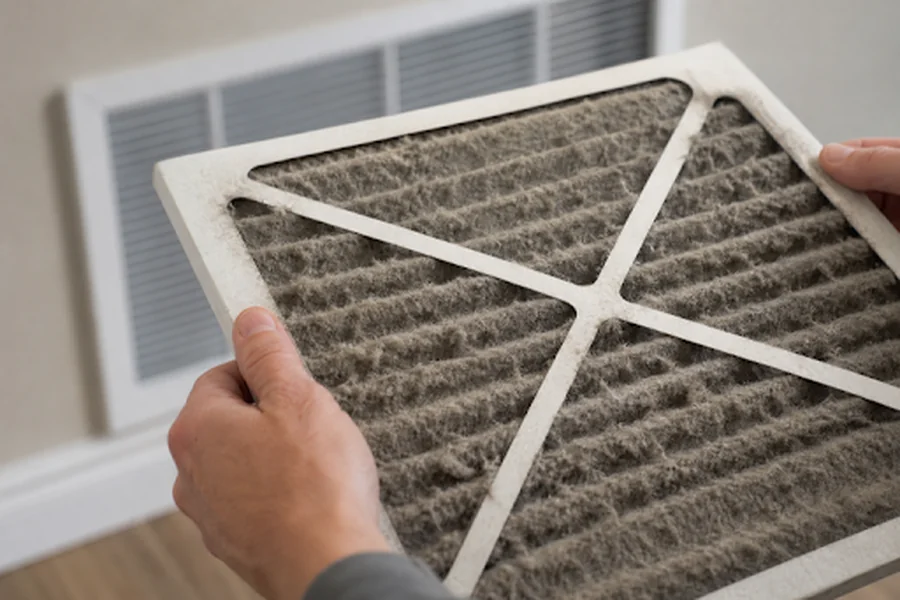
3. Inspect the filter. Replace it if it is visibly loaded with dust or debris, or follow the filter maker’s replacement guidance.
4. Make sure supply vents and return grilles are open and not covered by furniture, rugs, or curtains.
5. Look around the outdoor unit for leaves, grass clippings, and loose debris that may restrict airflow.
6. Check the electrical panel for a tripped breaker. One reset may be reasonable if there are no danger signs, but do not keep resetting a breaker that trips again.
Common Reasons An AC Runs Without Cooling
Restricted Airflow
A clogged filter, blocked return grille, closed vent, duct issue, or dirty indoor components can reduce airflow. Restricted airflow can make rooms feel unevenly cooled and may contribute to coil icing. Addressing accessible airflow restrictions early is one of the most practical steps a homeowner can take.
Thermostat Or Control Problems
An incorrect mode, failed battery, inaccurate sensor, or wiring and control fault can prevent the system from responding as expected. If the thermostat appears normal but the equipment does not follow its commands, diagnosis may require professional testing.
Frozen Coils, Refrigerant, Or Outdoor Unit Issues
Ice on refrigerant lines or near the indoor coil is not a normal operating condition. Low airflow can contribute to freezing, but so can other system faults. Low refrigerant from a leak can also reduce cooling performance. Dirt on the outdoor coil can make it harder for the system to release heat, while a failed capacitor, contactor, fan motor, or compressor-related problem may keep the outdoor equipment from operating normally.
Condensate Drainage Problems
Air conditioners remove moisture while cooling. If the condensate drain becomes blocked, water may collect where it should not, or a safety switch may shut the system down. Repeated water leaks deserve attention before they damage ceilings, walls, flooring, or nearby electrical equipment.
Warning Signs That Need Fast Attention
Stop troubleshooting and turn the system off at the thermostat if you smell burning, see smoke or sparks, hear loud grinding or repeated banging, or find water near wiring, outlets, or electrical panels. A breaker that trips again after a single reset is another reason to stop. Heavy ice buildup also calls for professional help rather than continued operation. Take heat exposure seriously. If indoor temperatures are rising and anyone in the home is especially vulnerable to heat, such as older adults, young children, pets, or people with health conditions, move to a cooler location if possible while the system is evaluated.
When To Call A Qualified Technician
Call a qualified HVAC technician when the system still blows warm air after basic thermostat and filter checks, freezes again after thawing, leaks water more than once, runs constantly without reaching the set temperature, or has an outdoor unit that hums while its fan does not turn. Electrical repairs, motor work, compressor problems, and refrigerant diagnosis should be left to trained professionals. A thorough visit may include checking controls, electrical connections, drain operation, coils, airflow, and refrigerant performance. The pre-season maintenance checks recommended for cooling equipment also include inspecting the condensate drain, cleaning coils, and evaluating blower components.
Repair Or Replace: How To Think It Through
Replacement is not automatically the right answer. A modest repair can be sensible when a system is newer, otherwise dependable, and supported by available parts. Consider replacement more carefully when a major component fails, repairs have become frequent, performance remains poor, or the equipment no longer fits the home’s needs. Before deciding, ask for clear estimates and compare the system’s age, repair history, overall condition, expected repair life, efficiency, and equipment availability. If an older system uses R-22, ask about the repair plan and future service options. The EPA advises homeowners to have refrigerant leaks located and repaired rather than repeatedly adding refrigerant to a leaking system.
Simple Maintenance For Better Cooling
A simple routine can help you spot trouble earlier. Check the filter monthly during heavy-use periods, keep outdoor equipment clear of vegetation and loose debris, and avoid blocking return vents. Pay attention to gradual changes in airflow, runtime, noise, humidity, and water around the indoor equipment. Scheduling professional maintenance before Austin’s hottest weather arrives can also make it easier to address small concerns before the system is under maximum demand.
Questions To Ask Before Work Begins
1.What caused the cooling problem, and what tests confirmed it?
2. What parts need repair or replacement?
3. Is there evidence of a refrigerant leak or drainage issue?
4. Is this repair expected to last, or is it a temporary measure?
5. What warranty applies to parts and labor?
6. Would a second opinion be reasonable for a major repair?
7. What maintenance steps could reduce the chance of the same problem returning?
Final Takeaway
When an AC stops cooling, start with safe basics: thermostat settings, batteries, filter condition, open vents, outdoor debris, and a single breaker check. Also note whether the system is blowing warm air, running continuously, cycling on and off, making unusual sounds, or showing signs of water around the indoor unit. Document what you find, including when the problem started and whether it affects the entire home or only certain rooms. Avoid opening electrical panels, handling refrigerant, or attempting repairs involving wiring, compressors, or other components that require specialized knowledge. Stop troubleshooting if electricity, refrigerant, water damage, severe ice buildup, burning odors, or unsafe heat conditions are involved. A measured response helps prevent further equipment damage and gives Austin homeowners a clearer foundation for choosing between professional repair, routine maintenance, or eventual replacement based on the system’s condition, age, repair history, and cooling needs.