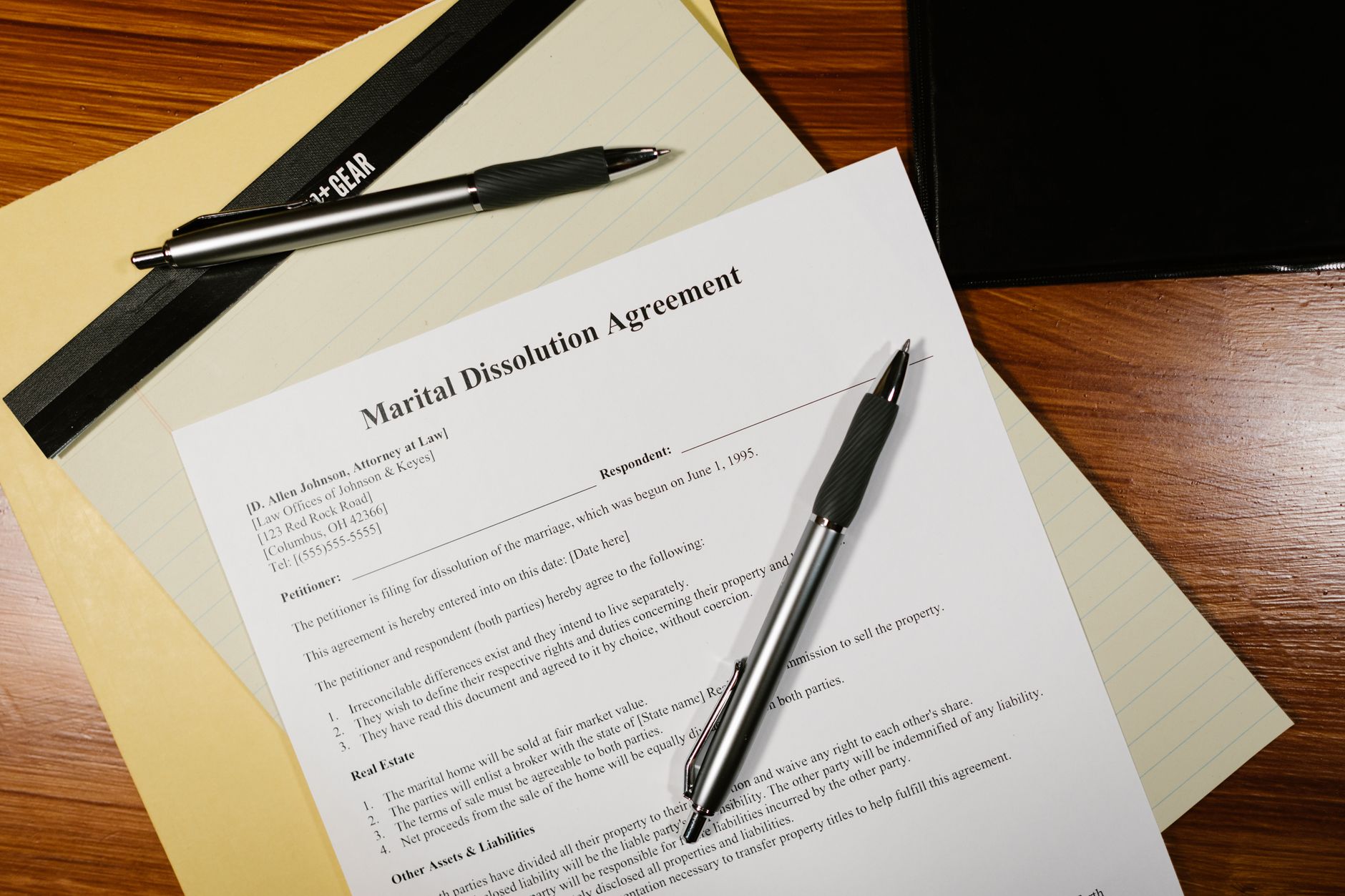
Filing for divorce sounds like a single administrative act. In reality, it is closer to opening several folders at once. There is the marriage itself, the reason it has broken down, the question of children, the division of assets and the rather less glamorous matter of getting the paperwork right.
If you are researching how to file for divorce in Singapore, the most useful thing to know is that preparation happens before the application is filed. Singapore’s Family Justice Courts require you to consider your eligibility, the facts supporting the divorce and the related matters involving children, maintenance and matrimonial assets.
Check You Can Actually File
Before opening a form, check whether the Singapore courts can hear your case. For a civil marriage, you or your spouse must generally be a Singapore citizen or have lived in Singapore continuously for three years immediately before filing. The marriage must also generally have lasted at least three years, unless the court gives permission to file earlier.
This is an easy place to lose time. You can spend an evening collecting documents only to discover that the basic eligibility requirements have not yet been met.
A useful rule is simple: check jurisdiction and marriage duration before worrying about the rest of the paperwork.
Decide The Divorce Route
Singapore’s current process has two tracks. The simplified track can apply where both parties agree that the marriage has irretrievably broken down. The normal track applies where they cannot agree on the divorce before filing.
This distinction matters because disagreement changes the machinery around the case. The Family Justice Courts indicate that a simplified-track application may take about four months, while a normal-track application may take around 12 to 18 months, depending on the circumstances.
Those figures are not promises. They are useful reminders that agreement, where possible, can materially change the shape and duration of the process.
Gather The Right Documents
The divorce application is not just a statement saying, “The marriage is over.” The court requires specific information and supporting documents.
For a normal-track application, the Family Justice Courts list items including the marriage certificate, particulars of both parties, information about jurisdiction, details of children where applicable, the facts relied upon to show irretrievable breakdown, and the relief sought for ancillary matters.
The costly mistake is starting with whatever documents are easiest to find. A better approach is to work backwards from what the application asks for and collect information systematically.
Think of it as packing for a trip. Finding your passport first is considerably more useful than beginning with the socks.
Know What You Are Asking For
Divorce is only one part of the application. The wider process can involve children’s care arrangements, maintenance and the division of matrimonial assets.
This creates an important trade-off. You may be eager to settle the question of whether the marriage should end and leave everything else for later. But unclear expectations about the house, finances or parenting arrangements can become the more complicated part of the case.
Before filing, make a separate list for each major issue. What assets exist? What arrangements are needed for the children? Is maintenance an issue? You do not need to solve every disagreement immediately, but you should know what the disagreements actually are.
Filing Is Not The Finish
Once a matrimonial application is filed, the process continues. On the normal track, the court describes the basic sequence as filing the application, collecting the approved documents and serving them on the other spouse. If you are representing yourself, filing is done through eLitigation at the Service Bureau.
The other spouse then has to respond within the applicable time limits. For example, the Family Justice Courts state that a respondent who intends to contest the divorce generally has 14 days after service to file a notice to contest, while a reply and cross-application may be due within 28 days.
This is why “I filed the papers” is not the same as “the divorce is finished”. The filing begins a legal process.
Check Everything Before Filing
One final habit can save an astonishing amount of frustration: read the completed application as though you were the person hearing the case for the first time.
Do the dates make sense? Are names and addresses accurate? Does the reason given for the divorce match the evidence available? Have you identified the relevant children, property and maintenance issues? The Family Justice Courts specifically advise parties to understand these matters before applying.
If both spouses agree on the divorce and all ancillary matters, Singapore also provides a Divorce eService that can help generate documents for a simplified-track application. Both parties need Singpass to use it, and court filing fees still apply.
Filing for divorce becomes much less bewildering when you stop treating it as a form-filling exercise. First check that you are eligible. Then understand which track applies, gather the right documents, map out the issues beyond the divorce itself and remember that filing starts a process rather than ending one. The paperwork matters, but so does knowing what the paperwork is asking you to decide. Once those pieces are in the right order, the whole process becomes easier to navigate, one folder at a time.