It might be difficult to choose a high-capacity power bank. You require safety, quick charging, and dependable performance. The right gadget fuels your gadgets throughout crises, busy workdays, and extended vacations. Your gadget should meet safety standards, power several devices, and recharge rapidly. Even if your model has a huge capacity, it must be portable. Knowing the important details can help you make better decisions. Reliable power bank characteristics are explained in this lesson. Design quality, safety, port variety, and charge speed are discussed. Use these suggestions to select the best choice.
What Features Should a Good Power Bank Have?
Fast Charging Support
Fast charging affects how soon you return to full power. A gadget that supports high amperage or quick charging protocols accelerates output. Look for USB-C Power Delivery or Quick Charging technologies. These provide increased voltage or current to suitable devices. You plug in your phone, and it charges quicker. A reliable power bank supports quick charging at both input and output. You replenish the bank rapidly and recover your gadgets promptly. You avoid lengthy wait periods. This guarantees that you remain connected. Fast charge support is important whether you have a tight schedule, travel regularly, or experience sudden battery loss.
Multiple Output Ports
You may charge many gadgets simultaneously with multiple output ports. You plug into separate ports when you have many devices. Time is saved in this way. Select models that have both USB-A and USB-C outputs. USB-C connections offer improved compatibility with contemporary devices and speedier charging. Legacy equipment still uses USB-A connections. Make sure all power delivery is distributed intelligently among the ports. Overload is avoided with intelligent port management. Slow charging is avoided by using numerous outlets. You continue to be efficient. Additionally, having more ports allows for greater flexibility while traveling or in hectic homes. Simultaneous charging is supported by a well-designed power bank without compromising dependability or speed.
Safety Features and Certifications
Safety is important while using high-energy gadgets. Overcharge, overheat, overcurrent, and short circuit safeguards are all features of a decent power bank. Manufacturers frequently list certifications like UL, CE, FCC, and RoHS. These markings attest to the unit’s compliance with standard safety checks. Internal circuitry maintains stability, including power regulation circuits and temperature sensors. You know that plugging in your device won’t harm it. In a variety of circumstances, the unit is also safe. Adequate safety features avert risks or malfunctions. Certifications provide you with the assurance that engineers constructed the equipment in accordance with the rules. You keep your mind at ease and safeguard your gadgets.
What Design and Build Quality Should You Expect?
Weight and Portability
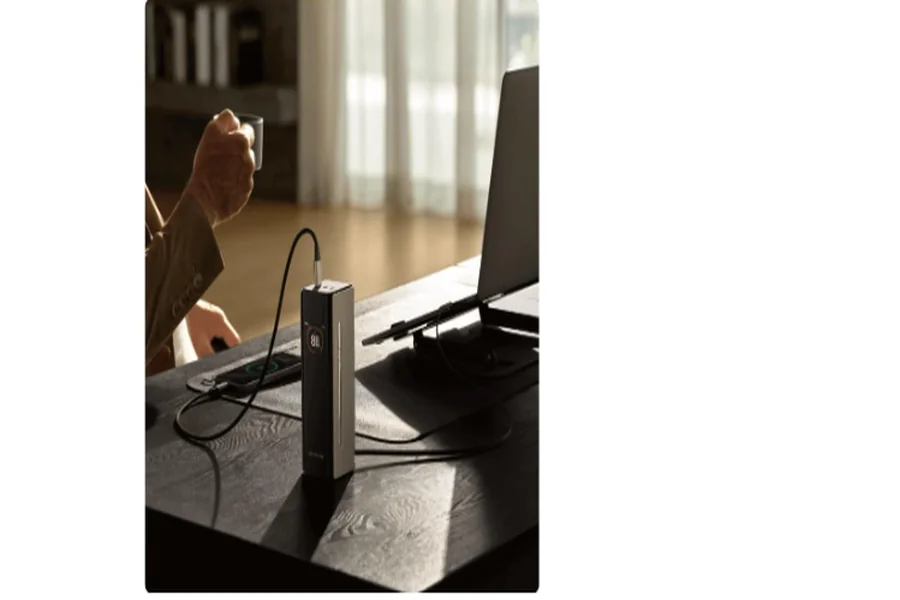
High-capacity power banks often weigh more, but proper design reduces size. If you intend to go a long period between charges, be prepared to pay more. Still, seek a device that strikes the right mix between capacity and mobility. Slimmer versions may utilize effective cell design to minimize size. A small form factor allows for easy storage in a bag or pocket. Designers ensure that rounded edges and lightweight casings increase usage. You carry it without strain. Port location has an impact on convenience as well. A balanced layout prevents difficult handling. Even large-capacity versions can seem manageable when designed intelligently. You want a gadget that is portable but can be recharged several times.
Build Material and Durability
Strong materials safeguard interior cells and are resistant to ordinary use. Many high-end power banks make use of aluminum alloy or reinforced plastic. These can withstand drops, scrapes, and ordinary misuse. A strong outer shell protects against pressure and bending. Textured surfaces provide a better grip. Waterproof or dust-resistant ratings increase value. Even without particular waterproof certifications, strong construction increases longevity. You bring your power bank to work, for outdoor pursuits, or long commutes. A sturdy unit can withstand severe handling. Internal components are unaffected by impact or stress. You rely on consistent performance. Good material selection determines how well the item withstands use.
Display or LED Indicators
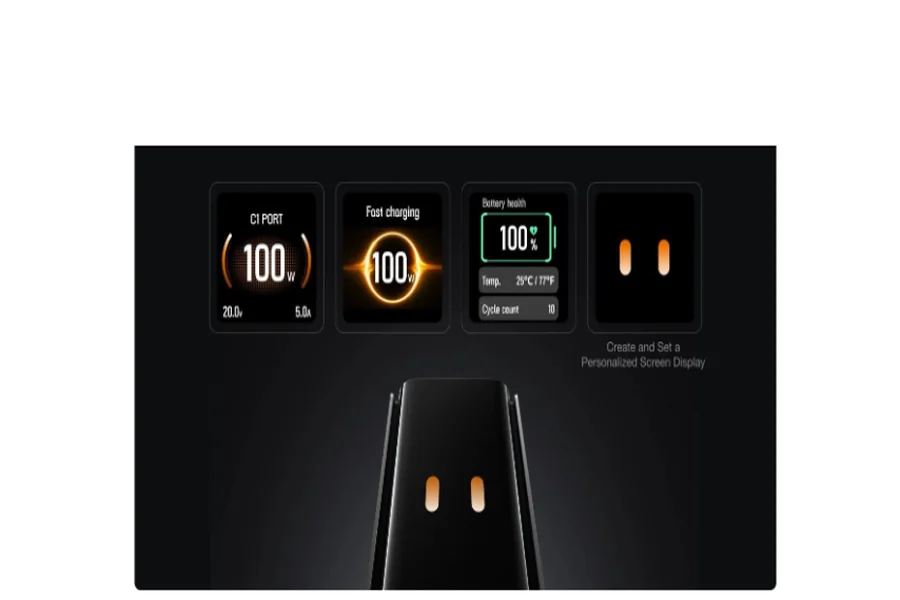
Real-time status can be presented clearly or through LED indications. Power banks frequently contain segmented LEDs or digital screens that indicate charge status. This allows you to better schedule your recharges. There’s no guessing when to plug the bank. Certain kinds generate voltage or current. The charge speed is checked. Signs that are clearly visible help to prevent errors. Status is shown via little LEDs. The beginning and end of the bank fee are known. Device compatibility and charging mode are displayed on smart displays. This improves usability. Well-designed indicators save time and reduce stress. Stay informed. A good interface makes the use of a power bank more efficient.
Conclusion
High-capacity power banks that fulfill critical requirements provide reliable power delivery. Look for rapid charging capabilities on both input and output. Prioritize many well-managed ports for flexible charging. Confirm safety features and certificates to safeguard your gadgets. Even with a huge capacity, weight and portability should remain balanced. Choose a long-lasting building material that can withstand regular wear and tear. Seek out clear displays or LED indications to keep track of your power utilization. When all these features come together, you gain a smart, dependable power bank. Invest in a quality model, and your gadgets will stay powered exactly when you need them.