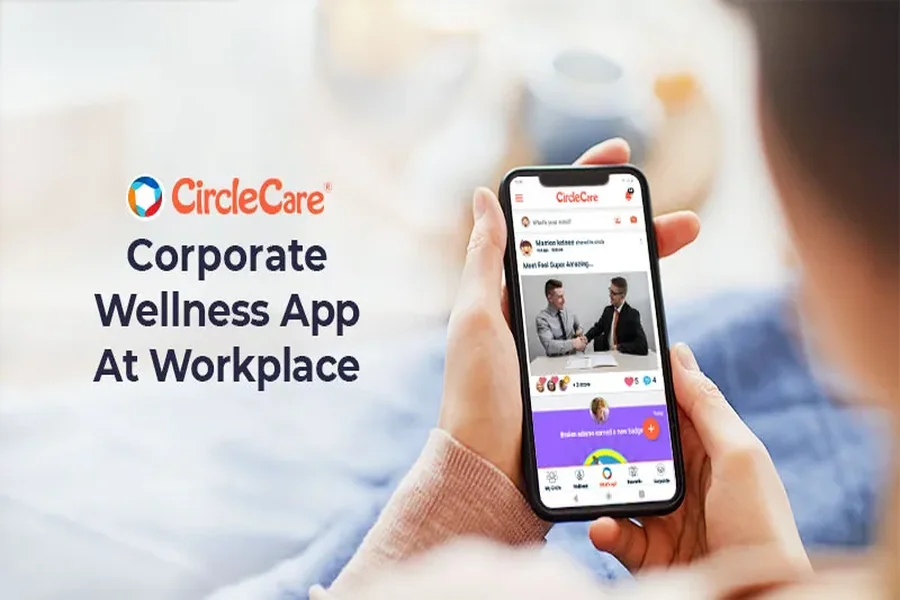
For years, companies tried to impress employees with office perks: gaming consoles in the lounge, ping-pong tables, bean bags, or free pizza every Friday. Those perks once symbolized progressive workplace culture. But the reality of modern work has changed dramatically. With hybrid schedules, distributed teams, and increasingly demanding workloads, such perks feel more like decorative extras than meaningful support.
What organizations need today is not better office furniture but a smarter workplace infrastructure—one that actively supports employee well-being. This is why corporate wellness apps are rapidly becoming one of the most significant upgrades to the modern work environment. As explained in an article on Geeky Gadgets, these platforms have evolved far beyond simple fitness trackers and now function as sophisticated digital ecosystems designed to improve both health and productivity.
From Basic Step Counters to Comprehensive Health Platforms
Corporate wellness programs once revolved around simple challenges—most commonly step-count competitions tracked in spreadsheets. Employees logged their daily steps, compared scores, and maybe earned a small reward at the end of the month. While well-intentioned, these early initiatives were limited and rarely produced long-term engagement.
Modern wellness platforms have completely transformed this model. Instead of focusing on a single activity like walking, they address multiple dimensions of health and performance.
Mental Health Support
One of the most notable improvements is the focus on psychological well-being. Many wellness apps now include guided meditation, breathing exercises, and stress-management programs based on Cognitive Behavioral Therapy (CBT). Some platforms even provide direct access to licensed therapists through integrated video sessions, allowing employees to seek professional support without leaving their workspace.
These tools are especially valuable in remote and hybrid environments where employees may feel isolated or overwhelmed by digital communication.
Integration with Wearable Devices
Another major advancement is deep integration with wearable technology. Corporate wellness apps now sync with devices such as Apple Watch, Fitbit, Garmin trackers, and Oura Rings. This allows the software to collect a wide range of biometric data, including heart rate variability, sleep cycles, blood oxygen levels, and overall activity patterns.
Using these metrics, the platform can generate personalized recovery insights and suggest actions that help users maintain healthy routines.
Nutrition and Lifestyle Optimization
Many platforms also expand into nutrition and lifestyle management. Employees can track hydration, receive personalized meal recommendations, and connect meal planning tools to grocery delivery services. The goal is to help users optimize their daily habits so that their physical and mental performance remains stable throughout the workday.
Together, these features transform wellness apps into comprehensive health ecosystems rather than simple tracking tools.
Features That Make Modern Wellness Apps Effective
For corporate wellness platforms to succeed, they must do more than provide useful information—they must keep employees engaged over time. To achieve this, developers are increasingly incorporating advanced technology and interactive design elements.
AI-Driven Personalization
Artificial intelligence plays a crucial role in tailoring wellness experiences to individual users. Instead of offering identical recommendations to everyone, the system analyzes sleep patterns, physical activity, and even calendar schedules.
For example, if the app detects that someone has been attending consecutive virtual meetings or working for hours without a break, it may suggest a quick eye-relaxation exercise or a short mindfulness session. These small interventions can reduce fatigue and help employees reset before continuing their tasks.
Gamification and Team Challenges
Gamification remains a powerful engagement strategy, but it has evolved beyond simple leaderboards. Many platforms now include collaborative challenges where teams work together toward shared goals.
Some apps even incorporate augmented reality elements. A team might collectively “walk” a famous hiking trail or travel a virtual route around the world. Each real-world activity logged through wearable devices contributes progress toward the shared objective.
This approach transforms everyday physical activity into an engaging social experience.
Integration with Workplace Tools
Another key factor is seamless integration with workplace software. Employees already spend much of their day in platforms like Slack, Microsoft Teams, or Notion. The most effective wellness apps integrate directly into these environments.
Instead of opening a separate application, users can start a breathing exercise, track a quick activity, or view reminders directly within their communication tools. This reduces friction and makes wellness routines easier to maintain.
Data Privacy and Trust
Despite the benefits, privacy concerns remain one of the biggest barriers to adoption. Employees understandably worry about how their health data might be used.
Reputable platforms address this concern by implementing strong encryption and anonymized reporting systems. Individual health data remains private, while HR departments receive only aggregated insights—for example, general trends indicating increased stress levels across the organization.
This approach allows companies to monitor overall well-being without compromising personal privacy.
Why Companies Are Investing in Wellness Technology
The growing popularity of corporate wellness apps is not simply a trend driven by employee expectations. For many organizations, these platforms represent a strategic investment with measurable returns.
Lower Healthcare Costs
Encouraging healthier habits can significantly reduce long-term medical expenses. When employees maintain better sleep patterns, exercise regularly, and manage stress effectively, companies often see fewer sick days and lower healthcare insurance costs.
Improved Productivity
Physical and mental well-being have a direct impact on cognitive performance. Employees who sleep better and manage stress effectively tend to concentrate more easily, solve problems faster, and maintain higher levels of creativity.
In demanding industries such as technology, these improvements can translate into measurable gains in productivity.
Stronger Recruitment and Retention
Today’s job market is highly competitive. Talented professionals often choose employers based not only on salary but also on overall workplace support.
A well-designed wellness platform signals that a company genuinely values employee health. This can strengthen employer branding and help organizations attract and retain skilled professionals.
The Future of Workplace Culture
Office culture is undergoing a fundamental transformation. Traditional perks that once defined modern workplaces are gradually losing relevance. What employees increasingly value instead are tools that genuinely support their well-being and help them maintain balance in an always-connected world.
Corporate wellness apps represent this shift. By combining artificial intelligence, wearable technology, and behavioral science, they offer a scalable way to improve both individual health and organizational performance.
The ping-pong table may still sit in the corner of some offices, but the real workplace upgrade is happening quietly through software—running in the background, connected to wearable devices, and supporting employees wherever they work.