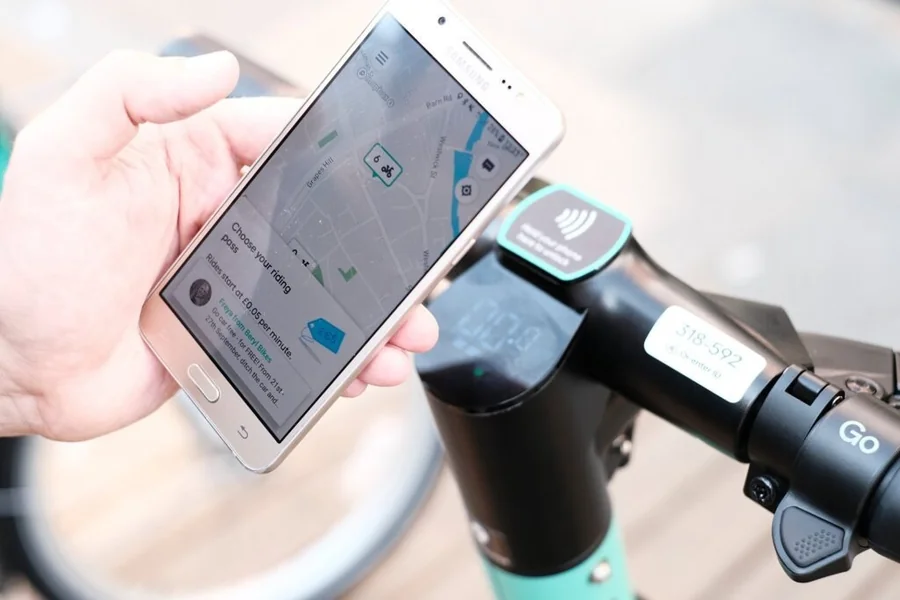
The global scooter market is valued at USD 70.8 billion in 2025 and projected to reach USD 143.1 billion by 2034, growing at a compound annual rate of 8.1%. This number reflects a massive opportunity for startups in the micromobility sector, but also a clear message: as the industry scales, efficiency will separate winners from everyone else. A strong fleet is no longer enough. The real advantage lies in having a robust app that streamlines operations, boosts uptime, and delivers better user experiences.
The Real Challenge Behind Fleet Operations
For most e scooter startups, challenges begin the moment they move beyond the pilot phase. Managing 100 scooters manually might seem doable, but scaling to 1,000 or more across multiple cities quickly exposes inefficiencies. The lack of a centralized system leads to problems such as:
- Idle scooters left in low-demand zones
- Poorly managed battery usage and charging cycles
- Delayed maintenance and frequent breakdowns
- Loss of data for route optimization and utilization tracking
- Inefficient customer support and user management
Each of these problems directly affects revenue. Idle time means lost rides, delayed maintenance increases downtime, and poor user experience reduces retention. Without an integrated technological ecosystem, these challenges multiply with every scooter added to the fleet.
That is why startups today depend on the best e scooter app development services to manage their entire fleet through a single platform.
How Advanced App Development Solves Operational Problems
1. Real-Time Tracking and Visibility
The foundation of fleet efficiency lies in visibility. Every scooter should be trackable in real time. GPS integration allows fleet managers to see which scooters are active, idle, or in maintenance. IoT sensors send continuous updates about location, speed, usage, and battery health.
This kind of transparency helps startups optimize distribution by relocating scooters to high-demand zones and prevents theft or misuse. It also helps identify performance bottlenecks before they become operational issues.
2. Predictive Maintenance and Downtime Reduction
Unexpected breakdowns are expensive. Predictive maintenance tools integrated into custom-built apps use analytics to monitor key performance indicators such as battery health, mileage, and wear-and-tear. These systems can forecast when a part is likely to fail and alert maintenance teams in advance.
Instead of fixing scooters reactively, startups can plan repairs proactively, minimizing downtime and extending the lifespan of their fleet. This results in fewer service interruptions and higher daily availability, which directly improves profitability.
3. Smart Charging and Battery Optimization
Battery management is one of the most complex aspects of e scooter operations. Charging logistics can consume significant time and resources if not managed intelligently. Advanced apps use smart algorithms to track battery levels in real time, schedule optimal charging intervals, and assign scooters to nearby charging hubs.
By automating the charging workflow, startups reduce labor costs, ensure more scooters are available for riders, and prevent battery degradation caused by overcharging or deep discharging.
4. Integrated User Experience
An efficient fleet means little without a seamless rider experience. A good e scooter app development service builds not only the backend system but also the user-facing interface that drives adoption and retention.
From registration to payment, every step should be intuitive. Features such as in-app wallet integration, ride history, live ride tracking, and instant customer support enhance usability. The smoother the experience, the more likely riders are to use the service again and recommend it to others.
5. Data Analytics and Decision Support
Modern fleet management thrives on data. Every ride generates valuable insights that can inform better business decisions. Custom dashboards built by app developers show data on usage frequency, location-based demand, maintenance schedules, and energy consumption.
Startups can use these analytics to:
- Identify high-demand routes and deploy more scooters there
- Adjust pricing dynamically based on demand
- Track rider behavior and engagement
- Plan city-specific expansions strategically
This data-driven approach helps eliminate guesswork and replace it with measurable performance improvements.
Why Custom App Development Outperforms Generic Platforms
Many startups make the mistake of choosing pre-built or white-label software solutions to save costs during the early stages. While these platforms might work for small-scale operations, they quickly limit flexibility as the business expands.
Custom development from an experienced team provides significant advantages:
- Scalability: The architecture can support multiple cities and thousands of scooters without performance issues.
- Feature control: Startups can decide exactly which tools, APIs, and integrations their business requires.
- Compliance readiness: Local regulations vary by city. Custom apps can integrate city-specific rules such as fleet caps, parking zones, or safety standards.
- Multi-vehicle compatibility: Apps can be adapted to manage not only e scooters but also e bikes, mopeds, or delivery fleets.
- Data ownership: Startups maintain complete control over their data rather than sharing it with a third-party software provider.
The flexibility of a custom-built solution ensures that as a startup evolves, its technology evolves with it instead of holding it back.
Security, Reliability, and Compliance
Data security and reliability are core requirements in fleet management. Riders trust the platform with sensitive information such as payment details, locations, and usage history. The best e scooter app development services ensure compliance with privacy regulations like GDPR and CCPA.
Key security features include:
- End-to-end data encryption
- Multi-factor authentication for both users and admins
- Secure payment gateways with tokenized transactions
- Access control and activity logs for internal management
- Regular vulnerability assessments and patching
Reliability is equally important. Startups cannot afford app crashes during peak hours or failed payments mid-ride. Development teams focused on e mobility ensure robust architecture, uptime monitoring, and disaster recovery planning to guarantee smooth operation under all conditions.
The Financial Value of Fleet Efficiency
Fleet efficiency directly influences profitability. For example:
- Reducing downtime by even 10 percent can increase available rides per day, improving revenue.
- Predictive maintenance can cut repair costs by up to 20 percent.
- Optimized charging cycles can extend battery life by several months, saving replacement expenses.
- Real-time data analytics helps maintain ideal fleet-to-demand ratios, reducing operational waste.
These improvements compound as the business scales. A startup that begins with 200 scooters and grows to 2,000 can save tens of thousands of dollars annually through efficiency gains alone.
Efficient operations also attract investors. Venture capital firms increasingly evaluate operational metrics like uptime percentage, cost per ride, and fleet utilization before funding mobility startups. A well-integrated fleet management system demonstrates operational maturity and scalability, strengthening a startup’s investment case.
Future-Ready Fleet Operations
The micromobility industry is moving toward intelligent automation and integration with broader smart city systems. Startups investing in quality app development today are positioning themselves to adopt these emerging technologies easily.
Some of the trends shaping the next phase of fleet management include:
- Artificial Intelligence and Machine Learning: AI models are already being used to forecast demand, predict maintenance issues, and optimize routes. This results in better deployment and reduced idle time.
- Sustainability Reporting: Cities and investors are placing greater emphasis on environmental impact. Future apps will include dashboards that track carbon savings, energy efficiency, and fleet sustainability metrics.
- Integration with Public Transport Networks: Micromobility is becoming part of multimodal transport systems. Apps that integrate scooter rides with public transit schedules will offer riders a seamless experience while supporting city mobility goals.
- Remote Fleet Control: The next generation of IoT technology will allow fleet managers to lock, unlock, or disable scooters remotely. This capability will prevent misuse, theft, and safety risks.
Startups that select development partners experienced in these technologies will find it easier to integrate advanced features as their operations evolve.
How to Choose the Right App Development Partner
Selecting the right app development company is one of the most critical decisions a startup will make. When evaluating providers, consider these factors:
- Domain Expertise: Ensure the company has experience specifically in micromobility, not just general app development. Industry knowledge helps avoid costly design errors.
- Technology Stack: The platform should use scalable cloud architecture, modern frameworks, and APIs that can handle high data volumes.
- Customization Capability: Look for flexibility to add, remove, or modify features as your business model changes.
- Post-Launch Support: Maintenance, bug fixes, and updates should be part of the long-term service plan.
- Security and Compliance Standards: Check whether the company follows international security practices, conducts audits, and offers documentation for compliance with U.S. city mobility regulations.
- Proven Track Record: Evaluate their portfolio. Ask for client case studies showing how their solutions improved fleet efficiency for other startups.
The Road Ahead
Fleet efficiency is not a luxury. It is a business requirement that determines whether a startup grows sustainably or collapses under operational pressure. With the global scooter market crossing USD 70 billion, startups that ignore technology-driven management will find it increasingly difficult to compete with operators running data-backed, automated systems.
By partnering with the best e scooter app development services, startups gain access to custom-built software that integrates IoT, predictive maintenance, smart charging, analytics, and secure payments into a single ecosystem. These capabilities not only reduce operational costs but also enhance user experience, drive retention, and build brand reliability.
Fleet efficiency is the foundation of success in the micromobility business. When every scooter, every battery, and every data point is optimized through a well-built system, the result is more rides, higher revenue, and long-term sustainability.
In 2025 and beyond, startups that combine strong hardware with powerful technology will define the next era of urban transportation; one efficient ride at a time.