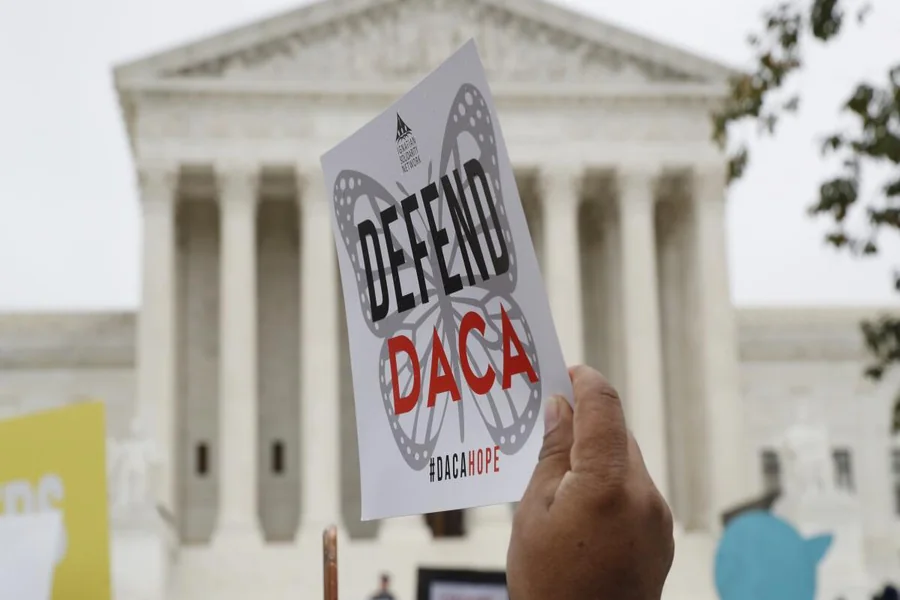
The DACA program, protecting nearly 800,000 young immigrants from deportation since 2012, faces legal challenges and an uncertain future. While “Dreamers” have contributed significantly to the U.S., debates over DACA reflect larger immigration policy and executive authority issues.
What DACA Is and Why It Exists
DACA emerged as a response to congressional inaction on comprehensive immigration reform. President Obama created the program through executive action, allowing certain undocumented immigrants who arrived as children to receive renewable two-year periods of deferred deportation and work authorization eligibility.
To qualify for DACA, applicants must meet specific criteria: they must have arrived in the United States before age 16, been under 31 when the program launched, lived continuously in the country since 2007, and either be in school, have graduated high school, or be honorably discharged veterans. They also cannot have significant criminal records.
The program was designed as a temporary solution while Congress worked on broader immigration legislation. However, comprehensive reform never materialized, leaving DACA as the primary protection for this vulnerable population.
Current Legal Challenges Threatening the Program
DACA faces multiple legal challenges that have created a complex web of court decisions and appeals. The most significant challenge comes from a coalition of states led by Texas, which argues that the program exceeds executive authority and imposes unfair costs on state governments.
In 2021, a federal judge in Texas ruled that DACA was unlawfully created and blocked the government from approving new applications. However, current recipients could continue renewing their status while appeals proceed. This decision added another layer of uncertainty to an already precarious situation.
The Supreme Court previously ruled in 2020 that the Trump administration’s attempt to end DACA was “arbitrary and capricious,” allowing the program to continue. However, this decision focused on the process of termination rather than the program’s underlying legality, leaving room for future challenges.
These ongoing legal battles have created a state of limbo for DACA recipients and potential applicants. While renewals continue for existing recipients, new applications remain blocked, preventing eligible individuals from gaining protection.
The Case for Upholding DACA
Supporters of DACA present compelling arguments for maintaining and expanding the program. The economic impact alone is substantial—DACA recipients contribute approximately $42 billion annually to the U.S. gross domestic product and pay billions in federal, state, and local taxes.
From a moral standpoint, advocates argue that individuals who were brought to the United States as children had no choice in their immigration status. Many have lived in America for most of their lives, speak English as their primary language, and have no meaningful connections to their birth countries. Deporting these individuals would separate families and force people to leave the only home they’ve ever known.
Educational achievements among DACA recipients demonstrate their potential contributions to American society. Studies show that access to work authorization through DACA increases college enrollment and completion rates among eligible individuals. Many recipients have pursued careers in essential fields including healthcare, education, and technology.
The program also provides clear benefits to employers and communities. DACA recipients can work legally, pay taxes, and contribute to Social Security and Medicare systems. They start businesses, buy homes, and invest in their communities at higher rates than the general population.
Arguments Against DACA’s Continuation
Critics of DACA raise several concerns about the program’s legality and policy implications. The primary argument centers on executive authority—opponents contend that immigration law changes of this magnitude require congressional approval, not executive action.
Some argue that DACA creates unfair advantages for undocumented immigrants over those following legal immigration processes. Critics suggest the program rewards illegal entry and undermines the rule of law by providing benefits to individuals who lack legal status.
Cost concerns also factor into opposition arguments. States involved in legal challenges claim DACA imposes financial burdens through increased demand for public services, though studies suggest recipients contribute more in taxes than they consume in services.
Security arguments arise as well, with some critics questioning background check procedures and arguing that any undocumented immigration poses risks. However, DACA’s strict eligibility requirements include comprehensive background checks and exclude individuals with significant criminal histories.
Real-World Impact on Beneficiaries and Communities
The human impact of DACA uncertainty extends far beyond policy debates. Recipients live with constant anxiety about their future, unable to make long-term plans or fully invest in their communities. This psychological stress affects mental health, career decisions, and family planning.
Medical professionals, teachers, social workers, and other DACA recipients serve communities across America. Ending the program would remove skilled workers from sectors already facing shortages. Healthcare systems, in particular, would lose essential workers during ongoing public health challenges.
Mixed-status families face additional challenges when DACA recipients have U.S. citizen spouses and children. Deportation would separate families and force difficult choices between staying together abroad or separating within the United States.
Economic research consistently shows positive impacts from DACA. Recipients earn higher wages after receiving work authorization, leading to increased tax revenue and consumer spending. They’re more likely to obtain driver’s licenses and car insurance, improving road safety for everyone.
Exploring Legislative Solutions
While courts debate DACA’s legality, many believe legislative action offers the most sustainable solution. Several bills have been introduced in Congress to provide permanent protection for DACA recipients and other undocumented immigrants who arrived as children.
The DREAM Act would provide a pathway to permanent residency and eventual citizenship for eligible individuals. This legislation has bipartisan support and would resolve the legal uncertainties surrounding executive action by establishing clear statutory authority.
Comprehensive immigration reform could address DACA within broader changes to the immigration system. However, political realities make comprehensive reform challenging, leading some to advocate for smaller, targeted bills that might gain broader support.
State-level initiatives also play important roles. Several states provide in-state tuition and financial aid to DACA recipients, while others have passed resolutions supporting federal action. An experienced immigration lawyer can help individuals understand how state and federal policies affect their specific situations.
Conclusion
The DACA debate underscores tensions in U.S. immigration policy, balancing compassion and enforcement. While courts offer temporary clarity, Congress must act to provide lasting solutions for DACA recipients and broader reforms. Urgent legislative action is needed to ensure fairness, opportunity, and a just system that reflects American values.