Most image models can produce something attractive. Far fewer can produce something usable on the first serious try. That is the difference that makes Image to Image a compelling way to talk about GPT Image 2. This model is not just another generator that turns prompts into pretty pictures. It represents a stronger class of visual intelligence: better prompt adherence, sharper editing behavior, more reliable text rendering, broader style range, and a noticeably more product-ready understanding of what people are actually asking for.
That matters because the market is no longer impressed by novelty alone. Users want images that survive contact with real work. They want product visuals that look intentional, marketing graphics that do not fall apart under scrutiny, stylized scenes that still preserve structure, and edits that feel controlled rather than random. GPT Image 2 feels important because it moves closer to that standard. It is easier to describe as an image model for practical creation, not just experimental generation.
Why GPT Image 2 Feels Different
A lot of image models are strong in one area and fragile in another. Some are visually rich but weak at following instructions. Some are fast but inconsistent. Some can create beautiful compositions but struggle when the request involves readable text, layout discipline, or image editing with precision.
GPT Image 2 stands out because it is presented as a state of the art image generation model built for both generation and editing. That combination is what makes it feel more serious. Instead of separating image creation and image transformation into two different mental workflows, it supports both in a more unified way.
Better Images Are Not The Only Story
The bigger story is not just image quality. It is image usefulness. A strong image model today has to do more than paint impressive scenes. It has to understand structure, follow nuanced direction, preserve key elements when editing, and produce results that are closer to shipping quality.
From what OpenAI highlights, GPT Image 2 pushes forward on exactly those dimensions. It is described as fast, high quality, and capable of handling image generation and editing with high fidelity image inputs. That last part matters more than many people realize. Good image input handling is what turns a model from a toy into a workflow tool.
Text Rendering Changes Real Use Cases
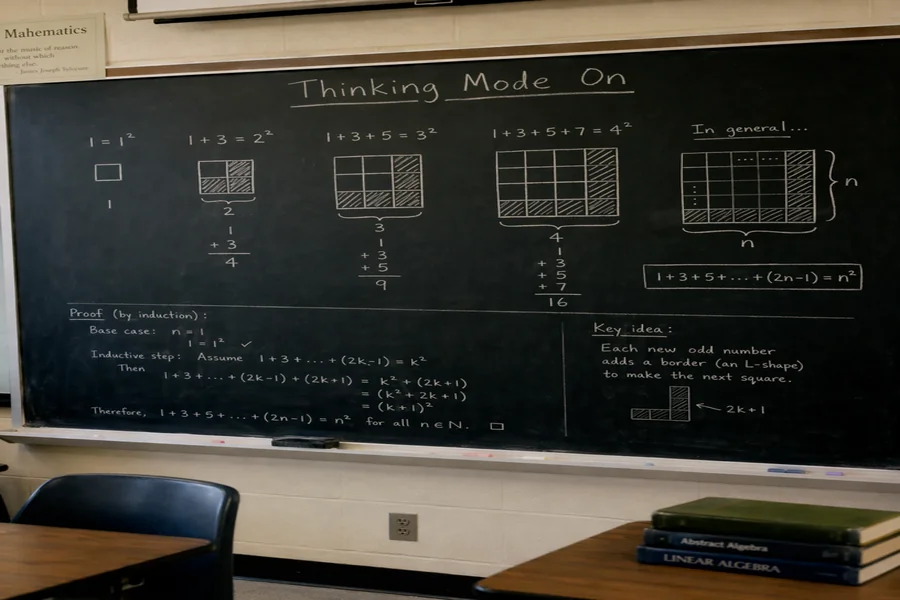
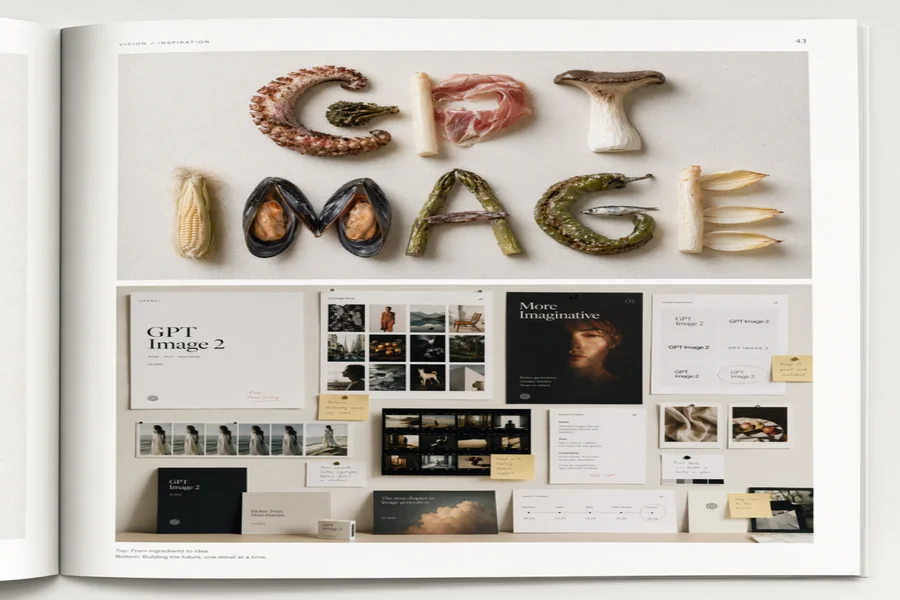
One reason this model deserves attention is that improved text rendering changes what users can actually attempt. Historically, image models often looked strong until a prompt required typography, labels, packaging, signage, interface mockups, or poster-like composition. Then the illusion broke.
GPT Image 2 appears designed to reduce that weakness. Better text rendering does not just make outputs cleaner. It expands the range of tasks the model can handle with confidence.
Where That Improvement Matters Most
This becomes especially valuable in work like:
- Ad creatives that need headlines or product callouts
- Social graphics that combine layout and imagery
- Brand mockups with visible labels or packaging
- Posters, menus, or promotional stills with readable visual language
A model that performs better in these scenarios is not just more impressive. It is more commercially relevant.
How GPT Image 2 Actually Operates
At a high level, GPT Image 2 is built for both creation and editing. That means it can generate visuals from prompts, but it can also take image inputs and produce transformed outputs based on those images.
Text Prompts Become More Directed Requests
The first layer is still prompting. You describe the scene, style, concept, or output goal. What changes with a stronger model is not the existence of prompting but the quality of the response. A better model wastes less of the user’s intent. It understands more of what the prompt is asking and loses less meaning during generation.
Image Inputs Add Control And Context
The second layer is image input. This is where Toimage AI starts to feel especially relevant for creative teams. Instead of starting from zero every time, users can feed the model a source image and direct the transformation from there. That creates a more guided workflow for editing, restyling, enhancement, composition shifts, and concept variation.
Flexible Sizes Support More Practical Output Needs
OpenAI also describes the model as supporting flexible image sizes. That sounds simple, but it matters in production. Different outputs have different destinations. A hero banner, product card, ad unit, thumbnail, or portrait composition should not all be forced through the same visual frame.
Generation And Editing Share One Intelligence Layer
The real strength is that these capabilities are not presented as disconnected tools. They sit inside one model logic. That gives the workflow a more coherent feeling. You are not jumping from one system for generation to another for editing and hoping they interpret the task in similar ways. You are working through one model family that seems built to understand both.
Why That Matters For Creative Teams
This reduces friction in ways that are easy to underestimate. Teams spend enormous time translating goals between tools. A stronger unified model means less time explaining the same visual idea again and again across fragmented systems.
What Makes The Model So Powerful
There are many image models on the market, so the obvious question is what actually makes this one feel powerful rather than merely current.
It Handles Complexity More Gracefully
A serious image request often contains multiple constraints at once. The user may want a specific style, a particular subject, preserved visual logic, readable text, mood consistency, and an edit that still feels natural. Weak models tend to satisfy one or two of those requirements and quietly ignore the rest.
GPT Image 2 appears stronger because it is designed to handle more of that complexity in one pass. That does not mean perfection every time. It means the model seems more capable of producing outputs that feel aligned with the full ask, not just the easiest part of it.
It Supports Both Imagination And Discipline
The best image models are not only imaginative. They are disciplined. That is a subtle but important difference. Many people talk about creativity as if unpredictability is always a strength. In real workflows, uncontrolled creativity becomes expensive.
What makes GPT Image 2 impressive is the balance. It can support expressive visual generation while still feeling like a model you would trust with structured requests. That balance is a big reason it feels more mature than many earlier generation experiences.
It Moves Closer To Production Readiness
The phrase “state of the art” only matters if it shows up in practical output. In this case, the strongest argument for the model is that it appears aimed at production-ready work: better layouts, stronger editing, clearer text behavior, flexible sizing, and higher quality handling of image inputs.
Why That Shifts User Expectations
Once users experience a model that is better at these fundamentals, they stop evaluating image AI only by visual wow factor. They start evaluating it by reliability. That is where stronger models begin to separate themselves.
How Your Site Can Position This Capability
The interesting commercial angle is that GPT Image 2 does not need to live only inside a developer workflow or a technical playground. A site built around image creation can turn that model power into a much simpler product experience for everyday users.
The Value Is Access Not Just Availability
Most users do not care which endpoint a model runs on. They care whether they can actually use it without friction. That is where your site can play a smart role. Instead of making users think in API terms, you can make GPT Image 2 feel accessible through a cleaner visual workflow: upload an image, enter a prompt, choose the right creative path, and generate.
A Simple Interface Makes A Strong Model More Usable
This is where your platform message becomes persuasive without sounding exaggerated. GPT Image 2 may be an advanced image model, but people still need a straightforward place to use it. Your site can present that power in a way that feels immediate and understandable, especially for creators, marketers, and small teams who want results rather than infrastructure.
Multi Model Platforms Gain A Strategic Advantage
If your site already speaks the language of visual transformation and model choice, then GPT Image 2 fits naturally into that story. It becomes part of a broader promise: users can access advanced image generation and editing capabilities through one destination instead of chasing separate tools for each job.
Why This Message Feels Credible
That message works because it is grounded in user behavior. People do not want to learn ten separate workflows if one platform can translate advanced models into a cleaner experience. In that context, saying your site can also support GPT Image 2 is not just a feature note. It is a usability argument.
What Users Should Realistically Expect
Even a very strong model still depends on input quality. Better prompts, clearer references, and more precise creative direction usually produce better results. GPT Image 2 raises the ceiling, but it does not remove the need for taste or iteration.
That said, stronger models make iteration less frustrating. In my view, that is one of the most meaningful forms of progress. When the model understands more, each retry feels like refinement instead of roulette.
Why GPT Image 2 Matters Right Now
GPT Image 2 feels important because it reflects a shift in what people now expect from image AI. The conversation is moving past spectacle. The real question is whether a model can handle serious visual work with more control, more clarity, and less wasted motion.
This model looks powerful because it pushes in exactly that direction. It is faster, sharper, more edit-friendly, more text-capable, and more aligned with the kinds of outputs users actually need. And for a platform like yours, that opens a clear story: not only is GPT Image 2 one of the most exciting image models right now, it is also the kind of model that becomes even more valuable when users can access it through a simple, creation-first experience.