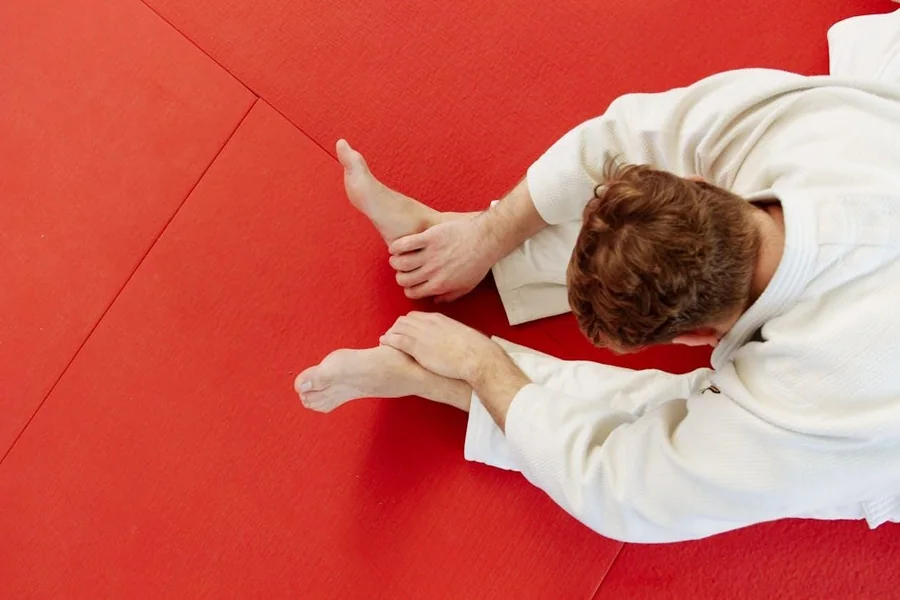
There are lots of reasons to pursue martial arts as a hobby, and its impact on things like your overall fitness as well as psychological aspects including your self-confidence and focus is enough to make it recommendable to all manner of people.
The main downside is that once you’ve completed a training session, it’s not unusual for your body to feel the after-effects of all that exertion many hours or even days later.
Thankfully there are a number of ways you can catalyze post-training recovery and reap the full benefits from the time and effort you pour into your martial art of choice, so hold tight as we talk over your best options.
Suitable Recovery Supplements
There are a number of supplements out there that claim to be able to improve post-workout recovery, although there are only a couple backed up by actual science.
These are:
- Montmorency tart cherry (TC), which is particularly capable of assisting your muscles in recovering their functional performance, even if you’ve really pushed yourself during a martial arts session
- Omega-3 fatty Acids, typically found in fish oils from species like salmon and tuna, which are good for tackling inflammation, amongst other health benefits
Of course, if you’re participating in martial arts to assist with weight management, you might need more targeted intervention, which is where medications including semaglutide and Wegovy come into the picture. Speak to your doctor about your options in this regard, and keep in mind that you can buy Wegovy online if it’s deemed to be the best path for you.
Using Rest for Recovery
It might be tempting to follow up a high-octane martial arts training session with a short break before getting back into the thick of it, but that’s simply not a good option if you’re intending to optimize your recovery efforts in the long term.
Instead, remember to include ample rest as part of your schedule in a couple of ways:
- Sleep is undeniably important for all of us, and if you’ve overworked your muscles, then it’s the time for your body will do its best to repair and restore them, so try to get at least 7 hours of quality rest each night.
- Rest days are equally necessary, although that doesn’t mean you need to completely veg out with no movement whatsoever. Choosing lighter physical activities, such as a gentle yoga session or even just a stroll around the block, will give you adequate downtime while letting your body get back to its best naturally
Stretching to Prevent Soreness
If you want to become more flexible, then you need to stretch regularly, as this also prevents muscle soreness from setting in after you’ve given it your all in a martial arts training context.
The benefits of pre-training stretching is a much-debated topic, although most experts do agree that a post-workout stretching session lasting for at least 10 minutes is a good move regardless of what activity you’ve just been up to.
Pay particular attention to muscle groups around your joints, as well as your lower back, because these tend to see the most intense action when you’re participating in martial arts.
Final Thoughts
Because we’re all different, it’s savvy to switch up your martial arts training routine based on how your body feels, not just on generic advice, because optimal recovery looks different for everyone.
That said, these starting points of taking the right supplements, resting up, and stretching will serve you well regardless of where you are in your training journey.