Manufacturing has become more advanced over the years, producing precise and detailed products. One process that has made this possible is polypropylene injection molding. This method helps companies create strong, lightweight, and complex parts that meet modern design needs. It has changed the way plastic products are made and allows for more creativity and accuracy in production.
Polypropylene molding plays a key role in making durable and attractive parts for many industries, including automotive, healthcare, packaging, and household goods. It allows designers to shape plastic in detailed and complicated ways while keeping costs low. This article explains how this process works, why it is useful, and how it helps manufacturers produce complex designs with great accuracy and quality.
The Basics of Polypropylene Injection Molding
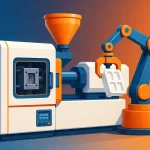
Polypropylene injection molding is a process where small plastic pellets are melted and pushed into a mold to take a specific shape. Once the material cools, it hardens into the final product. The mold opens, and the completed part is taken out. The process is fast and reliable, allowing factories to produce thousands of identical pieces without losing accuracy.
Since polypropylene is a type of thermoplastic, it can be melted and reshaped many times without losing its strength or flexibility. This makes it a great choice for recycling during production. Leftover material can be reused, which helps reduce waste and production costs. The ability to recycle the material makes it a smart option for companies looking to save money and support cleaner manufacturing.
Why Polypropylene Helps in Creative Designs
Polypropylene has qualities that make it perfect for creating new and detailed designs. It is lightweight, flexible, and resistant to stress and bending. This makes it suitable for parts that need to bend or twist without breaking. It also flows smoothly during molding, which helps it fill even the smallest parts of a mold without leaving gaps or air pockets.
Because of its smooth flow, polypropylene can create thin walls, sharp corners, and fine textures on a product’s surface. Designers can experiment with shapes that were once difficult to make using traditional materials. This flexibility gives engineers freedom to create new designs that meet both functional and visual needs.
How Molds Help Create Complex Details
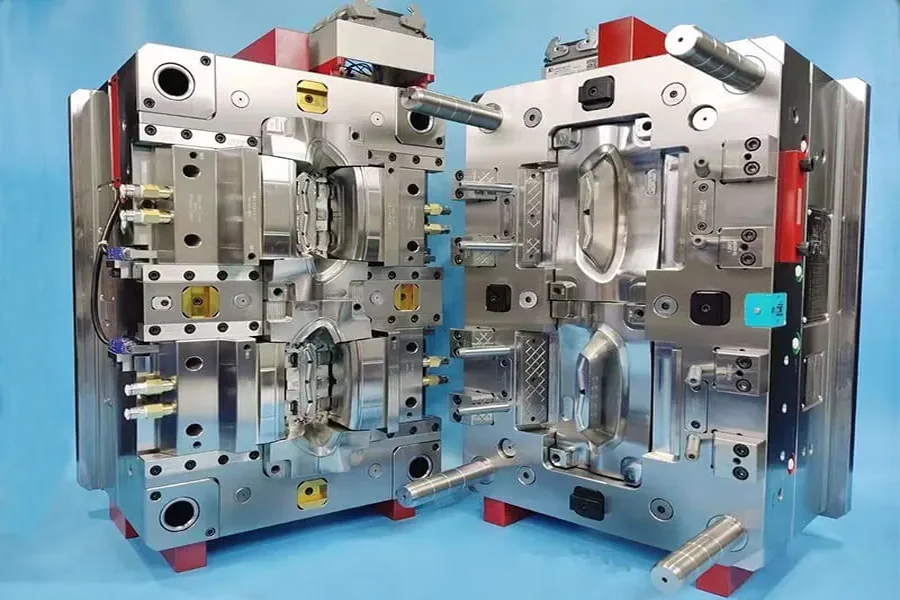
The mold serves as the core of the injection molding process. It shapes the molten plastic into a final product. Molds are made using precision tools and machines, usually from strong materials like steel or aluminum. Higher mold quality leads to better final products.
Modern mold-making technology allows manufacturers to include tiny features and smooth finishes. Features such as grooves, ribs, or hinges can be built directly into the mold. This helps parts fit perfectly during assembly and improves their overall function. Careful mold design ensures that the final part is both attractive and reliable.
Consistency and Quality Control
One of the strongest advantages of injection molding is its ability to produce consistent results. Once the first mold is made and tested, every part produced afterward looks and performs the same. This repeatability saves time and money for manufacturers.
To maintain quality, several factors are controlled during production. These include temperature, pressure, and cooling time. Each of these settings affects the shape and strength of the finished product. By keeping these conditions stable, companies can avoid common defects like warping, bubbles, or uneven surfaces. The result is a clean, uniform, and durable product.
Methods Used for Fine Details
Producing small or detailed parts requires more than just a good mold. Manufacturers use several special techniques to improve precision and make complex designs easier to achieve.
- Micro-injection molding: Creates very small parts with high accuracy. It is widely used in the production of electronic and medical devices.
- Gas-assisted molding: Helps form hollow or lightweight sections without affecting the outer design.
- Overmolding: Combines two materials in one part, improving grip, texture, or comfort.
- Insert molding: Adds metal or other materials into plastic for extra strength or support.
Cost Efficiency and Large-Scale Production
One of the main reasons polypropylene molding is popular is its cost efficiency. After the mold is built, production moves quickly. Machines can create large quantities of parts in a short amount of time. This makes it perfect for mass production. Polypropylene material is affordable, and since it can be recycled during manufacturing, waste is minimal. Automated machinery keeps labor costs low and helps ensure precision. As a result, companies can meet large orders faster while maintaining product quality. This efficiency helps businesses remain competitive in demanding markets.
Polypropylene injection molding makes it possible to create complex, durable, and attractive parts with ease. Its precision, cost efficiency, and flexibility have made it a trusted choice for industries that need reliable production methods. With improvements in molding technology and design tools, this process continues to evolve, helping manufacturers turn creative ideas into high-quality products.