PVC injection molding is an important industrial manufacturing method used to create strong, precise, and cost-efficient plastic parts. The process involves heating polyvinyl chloride (PVC) until it becomes molten, then injecting it into a mold cavity where it cools and takes its final shape. Because of its durability, resistance to chemicals, and flexibility in design, PVC is widely used in industries such as construction, healthcare, automotive, and consumer manufacturing.
Understanding PVC as a Material
Polyvinyl Chloride (PVC) is a thermoplastic material known for its strength, affordability, and wide range of applications. It is one of the most commonly used plastics globally due to its balance between performance and cost.
PVC generally exists in two main forms used in manufacturing:
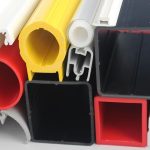
- Rigid PVC (uPVC): This form is hard, strong, and maintains its shape well. It is commonly used in pipes, structural components, window frames, and electrical enclosures.
- Flexible PVC: This type contains added plasticizers that make it soft and bendable. It is often used for tubing, seals, medical devices, and flexible coverings.
The selection between rigid and flexible PVC depends on the mechanical and functional requirements of the final product, such as stiffness, elasticity, and environmental resistance.
What is PVC Injection Molding?
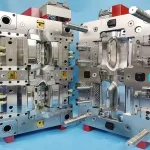
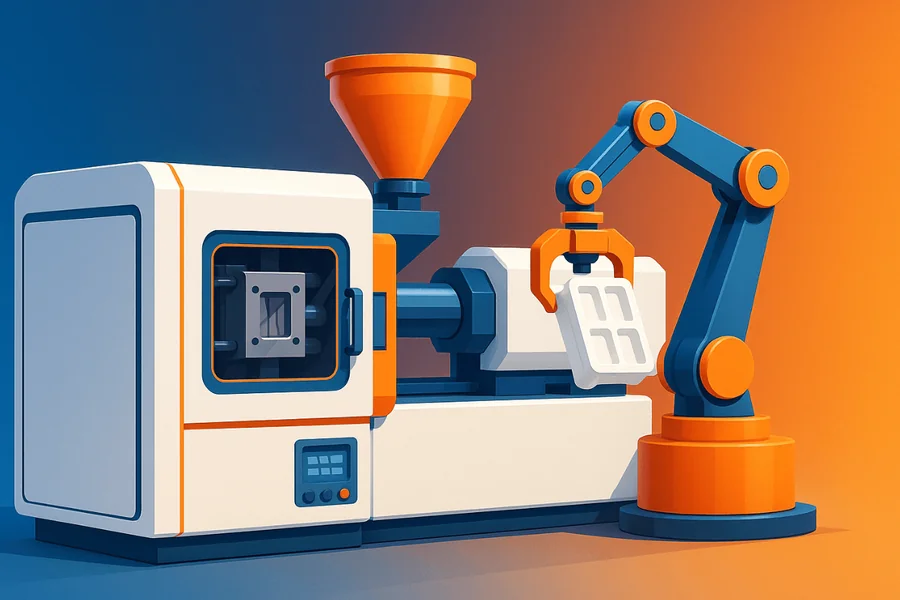
PVC injection molding is a production technique in which PVC material is heated until it becomes a molten state and then injected under controlled pressure into a mold cavity. Once the material fills the mold, it is cooled and solidified to form a finished product.
This method is especially valuable for producing complex shapes with high precision and consistent quality. It is widely used in mass production environments because it ensures repeatability, efficiency, and cost savings.
The PVC Injection Molding Process
The injection molding process for PVC follows several carefully controlled steps:
1. Material Preparation
PVC is prepared in pellet or powder form and may be mixed with additives such as stabilizers, lubricants, and plasticizers. These additives help improve processing behavior and enhance the final product’s properties.
2. Melting and Plasticization
The PVC material is gradually heated inside the injection molding machine. Proper temperature control is essential because PVC can degrade if exposed to excessive heat.
3. Injection into the Mold
Once melted, the PVC is injected into a closed mold under high pressure. Careful control of pressure and injection speed helps prevent defects such as voids, burns, or incomplete filling.
4. Cooling and Solidification
The material inside the mold is cooled until it becomes solid. Efficient cooling ensures dimensional accuracy and reduces production cycle time.
5. Ejection
After the part has fully solidified, the mold opens and the finished component is ejected for inspection and finishing.
Key Processing Considerations
PVC requires more careful handling compared to many other plastics due to its sensitivity to heat and processing conditions.
- Temperature control is critical because overheating can cause material degradation and affect product quality.
- Injection speed must be optimized to ensure smooth filling and reduce internal stress.
- Specialized equipment resistant to corrosion is often required due to the chemical behavior of PVC during processing.
- Proper ventilation is necessary in production environments to manage any fumes that may be released.
These considerations make PVC injection molding more technically demanding, but they also ensure high-quality results when properly managed.
Advantages of PVC Injection Molding
PVC injection molding offers several important benefits that make it a preferred manufacturing method:
- High durability and strong resistance to chemicals and environmental damage
- Cost-effective production for large-scale manufacturing
- Ability to produce complex and detailed part designs
- Excellent electrical insulation properties, useful in electronics and wiring applications
- Potential for recycling in certain manufacturing systems
These advantages contribute to PVC’s widespread use across many industrial sectors.
Limitations of PVC Injection Molding
Although PVC is highly useful, it also presents some limitations:
- It has lower heat resistance compared to many other engineering plastics
- Requires strict process control to avoid thermal degradation
- Improper processing can release harmful or corrosive gases
- Not suitable for applications involving high temperatures
Because of these limitations, manufacturers must carefully design both the product and the molding process.
Applications of PVC Injection Molding
PVC injection molded parts are used in a wide range of industries due to their strength, flexibility, and cost efficiency:
- Construction industry: pipes, fittings, window systems, and drainage components
- Healthcare sector: tubing, disposable medical devices, and protective equipment
- Electrical industry: cable insulation, switches, and protective housings
- Consumer goods: containers, grips, and household accessories
- Automotive industry: seals, interior trims, and functional plastic components
Its adaptability makes PVC one of the most important materials in modern manufacturing.
Conclusion
PVC injection molding is a highly efficient production process that enables manufacturers to create durable, accurate, and cost-effective plastic components. While it requires careful control due to PVC’s sensitivity to heat, the benefits it offers in terms of strength, versatility, and scalability make it essential across multiple industries. From infrastructure and healthcare to electronics and consumer goods, PVC continues to play a key role in modern manufacturing, supporting a wide variety of practical applications.