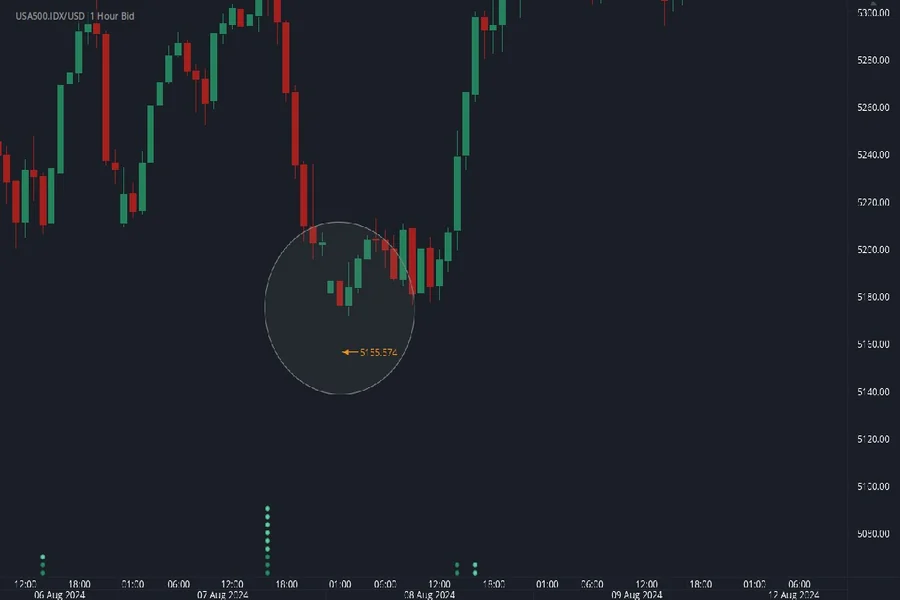
Traders treat hammers as small signs that the selling might be slowing. The trouble is that going through charts one by one becomes tiring pretty fast. For this Hammer pattern can be helpful. A hammer candle suggests that sellers pushed the price down, but buyers managed to pull it back before the candle closed. Its screeners scan through hundreds of symbols and highlight only the hammer setups worth checking. Know more about it in this blog.
What is a Hammer Pattern Screener
A hammer looks for a small candle body near the top of the range and a long lower shadow, usually with strict parameters on wick-to-body ratios. Traders adjust these settings depending on the stock’s volatility to filter out the noise and pull up only the candles that match the kind of behaviour traders look for in a hammer.
Hammer screener gives the output quickly, cutting down the amount of chart-checking you have to do. Momentum traders, swing traders, and even option sellers lean on it because manually going through charts after a rough market session becomes very time-consuming.
Real-World Use Cases of Hammer Pattern Screeners
Here are some use cases.
1. Spotting Reversals in Downtrends
When a stock has been falling for days, traders watch for any clues that sellers are running out of steam. If a hammer appears after a sharp drop, it doesn’t guarantee a reversal, but it’s still worth noticing.
2. Supporting Options Strategies
The trader usually uses screener signals with implied volatility, open interest changes, and their own judgment on whether the move has real weight or not. Options traders include hammer patterns in their decision-making, whether they’re selling puts or planning a directional entry. A hammer forming after a high-volatility drop can create situations that traders may want to explore further — like selling cash-secured puts when the market rejects lower levels, or buying call spreads when the odds begin to tilt toward a bounce.
3. Backtesting and Strategy Building
A less talked-about use of hammer pattern screeners is historical analysis. Traders export screener results to check how the same kind of patterns played out across recent months or even past years. The goal is to see whether certain stocks respond well to hammers or if the pattern hardly matters for that particular stock.
Backtesting also exposes uncomfortable truths. Some stocks react really well to hammer patterns, while others seem to shrug them off entirely. When you look at enough charts, you start noticing which ones behave consistently and which ones don’t. Screeners help spot these differences without forcing you to dig through every chart by hand.
4. Detecting Panic Reversals
When multiple hammers pop up across different sectors on the same day. It may suggest that the market just went through a wave of panic selling, where prices dropped sharply and bounced once buyers finally came back.
When a screener displays a list full of hammers across large caps, mid-caps, and even indices, traders usually take notice. It signals that traders might be changing their outlook.
5. Bounce Zones Tracing
Hammers that show up right on top of a major support level usually catch a trader’s eye more than the random ones forming in the middle of price noise. A screener just makes it quicker to locate these spots. For swing traders especially, these setups frequently turn into decent entry points, more so if you see a little bump in volume as the price moves back up.
Common Mistakes When Using Hammer Screeners
One mistake that shows up a lot is assuming every hammer means it’s time to buy. Many of them are nothing more than price hesitation, with no real strength behind the move. You’ll also see hammers appear during strong downtrends where buyers simply don’t have any control.
A screener can bring the candle to your attention, but it can’t explain the context for you.
Conclusion
When you mix screener results with things like volume trends, market structure, and your own trading experience, you usually end up making better decisions than relying on the pattern by itself.
A screener might spot the hammer, but you still have to decide whether the setup matters or if it’s just another candle sitting in a messy chart. Read more wallpostmedia.