First impressions count—more than ever to emerging small retail boutiques. When space is in short supply, your layout and design have to do even more. Each shelf, sign, and accent has to justify its presence, and beyond that, has to say something about your brand.
Start-up shops do not necessarily have to have massive budgets to make massive impressions. Through the means of planning and some special touches, you’re able to create an atmosphere that makes impressions and gets customers to hang around. Both the individuals with business concepts to pursue and the individuals who have signed the initial lease know these pointers to make the most of the physical presence of your shop.
Keep It Open, Even If It’s Small
Crowding is one of the bigger mistakes in tight spaces. Bulging shelves and tight aisles will induce claustrophobia in your store. Create movement and space instead.
A few practical approaches:
- Use vertical space. Wall-mounted racks or floating shelves give you more floor room.
- Choose light colors. Bright or neutral walls reflect light and give the illusion of space.
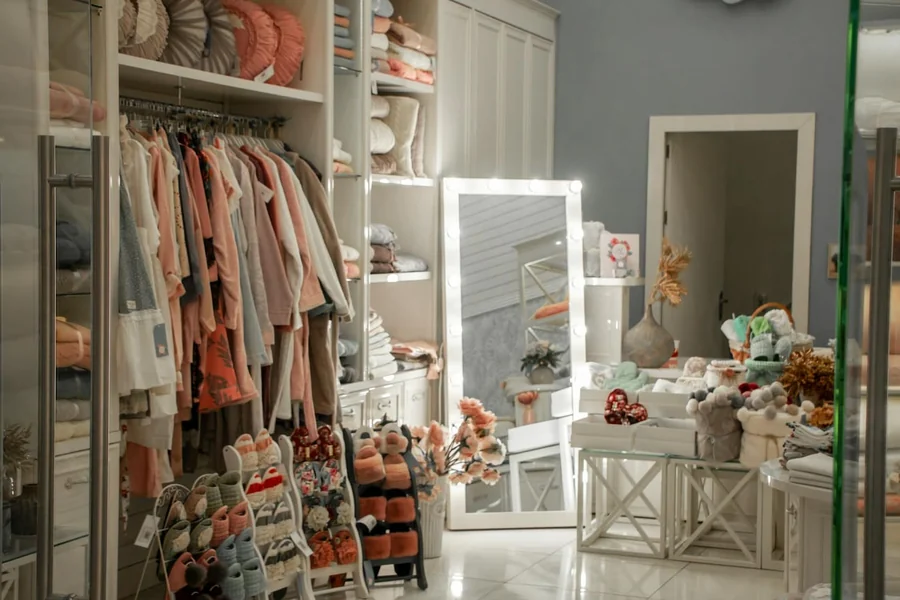
- Use mirrors wisely. A well-placed mirror can visually double your space.
Give shoppers a sense of room to breathe—even if they’re standing in a 300-square-foot storefront.
Let Signage Do the Talking
Good signage isn’t just about information; it’s part of your brand’s identity. Signage sets the tone before someone even walks through the door.
One eye-catching trend is using the best neon signs to add both style and lighting. Whether you opt for your brand name in script, a quirky slogan, or a graphic logo, neon can become a focal point that instantly defines your shop’s vibe.
Other signage ideas to consider:
- Chalkboard menus or specials
- Acrylic signs with minimal typography
- Window decals that give a peek at what’s inside
Make your signage clear, clean, and distinctive enough to be remembered.
Furniture That Works Twice as Hard
In a small shop, your furniture shouldn’t just look good—it should earn its keep. Multi-functional pieces and smart storage will save you time and space.
Options worth considering:
- Benches with hidden storage underneath
- Folding tables for pop-up events or display changes
- Modular shelving units that can be rearranged easily
- Rolling carts that can double as display and checkout stations
Keep in mind how flexible your space needs to be. If you host events or seasonal promotions, being able to move things around is a must.
Create a Natural Flow
Think about how people will move through your store. Where do their eyes go first? What path do they take from the entrance to checkout?
Some layout tips:
- Place your bestsellers or most visual products near the entrance
- Keep the checkout counter near the back—this encourages browsing
- Use rugs, lighting, or shelving angles to guide foot traffic
- Leave walking space between each key area
Make sure your layout doesn’t interrupt the natural rhythm of shopping. If customers have to squeeze through tight corners or double back to find what they need, they’re less likely to buy—or come back.
Add Personality Without Clutter
Every object you display should say something—about your products, your values, or your story. That doesn’t mean you need a bunch of decor items. Instead, focus on thoughtful details.
Consider:
- A photo wall of your early business ideas or first pop-up shop
- Plants to add life without overwhelming the space
- One standout centerpiece—like a vintage table, a bright painting, or that perfect neon sign
- Framed testimonials or product use photos from customers
These small details build trust and connection. You’re not just selling products—you’re inviting people into your world.
Real Data: People Judge Fast
A study by RetailNext found that 64% of shoppers make purchase decisions based on in-store experience. That means your space does more than support your product—it’s part of what convinces someone to buy.
When the space feels cramped, confusing, or bland, shoppers walk out. When it feels thoughtful and welcoming? They browse longer, spend more, and come back.
Final Thoughts
Your startup shop might not have square footage, but it doesn’t necessarily have to lack punch. Consider layout, lights, movable furniture, and brief visual ID. Regardless of whether you’re touting some hard-to-find niche product or just started out of your kitchen table, you’ll be able to create a tremendous splash with small, savvy moves.
Let your store be your journey—and make the inch count.