Vinyl records have experienced an impressive resurgence over the past decade, attracting everyone from longtime collectors to younger listeners discovering the format for the first time. While many people understand the basics of vinyl, fewer know the differences between standard releases, limited press editions, and highly sought-after collector’s records. Understanding these distinctions can help buyers make informed decisions and appreciate the value behind different releases.
Whether you are building your first collection or expanding an existing one, knowing what separates these categories makes shopping for records more rewarding. Each type serves a different purpose and appeals to different kinds of music enthusiasts.
What Is A Standard Vinyl Record?
A standard vinyl record is the most common version of an album produced for retail sale. These records are typically manufactured in larger quantities to meet widespread consumer demand. They are often available through music retailers, online stores, and major record chains long after their initial release.
Most standard editions feature traditional black vinyl and standard packaging. While they may include quality artwork and inserts, they generally focus on accessibility rather than exclusivity. This makes them an excellent option for listeners who simply want to enjoy the music without paying premium collector prices.
Because they are produced in larger numbers, standard records are usually easier to replace if damaged or lost. Their value often remains close to the original retail price unless the album later becomes difficult to find.
What Makes Limited Press Vinyl Different?
Limited press vinyl records are manufactured in intentionally small quantities. Record labels often produce these editions to celebrate anniversaries, special releases, independent artists, or exclusive events such as Record Store Day.
Limited editions frequently feature colored vinyl, unique artwork, numbered sleeves, bonus inserts, or exclusive packaging that distinguishes them from standard versions. Since fewer copies exist, they often sell out quickly and may become more valuable over time.
Collectors appreciate the exclusivity of these releases because ownership feels more personal. While not every limited pressing becomes highly valuable, scarcity naturally increases demand among dedicated fans.
For collectors interested in expanding their libraries, retailers offering limited press vinyl records provide access to exclusive editions that may not remain available for long. Specialty stores such as Evergreen Vinyl often carry carefully selected releases alongside more traditional vinyl offerings, giving collectors additional opportunities to find unique albums.
Understanding Collector’s Vinyl Records
Collector’s vinyl records go beyond simply being limited editions. These records have developed significant desirability due to rarity, historical importance, artist popularity, or exceptional condition.
A collector’s record may include first pressings, promotional copies, discontinued editions, signed albums, or records with printing errors that make them unique. Some albums become collectible decades after release because very few copies survived in excellent condition.
Condition plays a major role in determining collector value. A sealed first pressing in mint condition will almost always command a much higher price than the same album showing noticeable wear.
Unlike standard releases, collector’s records are often viewed as both musical treasures and investment pieces. However, their true value depends on market demand rather than age alone.
Why Pressing Quantity Matters
One of the biggest differences between these record categories is the number of copies produced. Standard releases may have tens or even hundreds of thousands of copies available worldwide. Limited press editions may only produce a few hundred or several thousand copies.
Collector’s records often become valuable because surviving copies become increasingly scarce over time. Damage, improper storage, and changing ownership naturally reduce the number of high-quality examples available in the market.
Lower production numbers create exclusivity, but they do not automatically guarantee future value. Popularity of the artist and long-term demand remain equally important factors.
Packaging Can Make A Significant Difference
Packaging often separates standard editions from premium releases. Standard albums usually feature consistent artwork and basic protective sleeves designed for everyday use.
Limited editions may include heavyweight jackets, embossed covers, foil stamping, lyric booklets, posters, or colored inner sleeves. Some releases even feature individually numbered certificates that confirm their place within the production run.
Collector’s records sometimes gain value because of complete original packaging. Missing inserts, damaged sleeves, or replaced components can significantly reduce overall worth, even if the vinyl itself remains in excellent condition.
Colored Vinyl And Special Variants
Colored vinyl has become increasingly popular among collectors. Transparent records, splatter designs, marble effects, glow-in-the-dark editions, and picture discs offer visual appeal that standard black vinyl cannot provide.
While colored vinyl is commonly associated with limited pressings, it does not automatically make a record collectible. Production numbers, artist popularity, and overall demand continue to determine long-term value.
Many collectors enjoy displaying these visually striking editions while also appreciating the music they contain. The combination of artistic presentation and limited availability adds another layer of enjoyment to the collecting experience.
How Storage Affects Long-Term Value
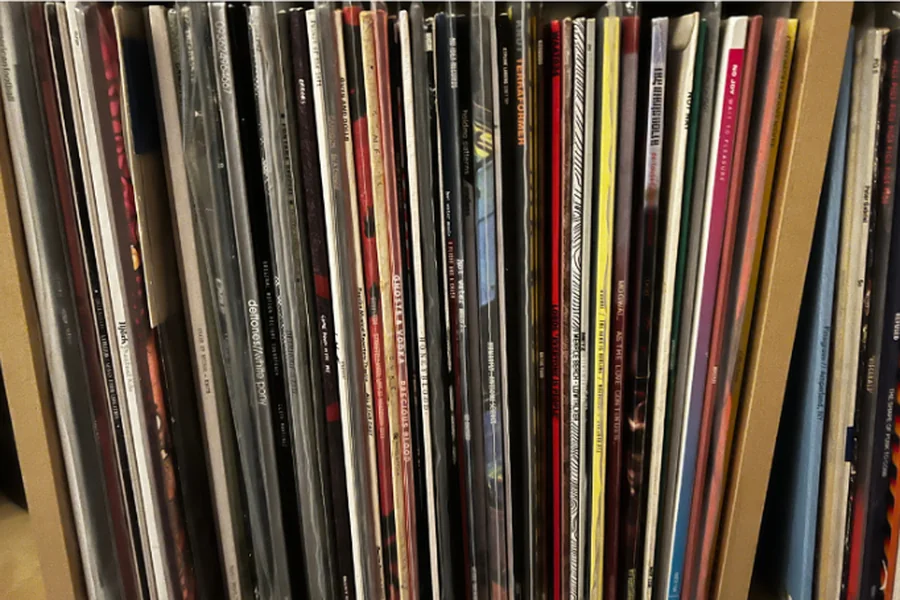
Regardless of the type of record, proper storage helps preserve both sound quality and resale value. Vinyl should always be stored vertically to prevent warping and kept away from excessive heat, humidity, and direct sunlight.
Protective outer sleeves reduce wear on album covers, while quality inner sleeves help minimize dust and scratches. Careful handling also reduces fingerprints and accidental damage during playback.
Collectors who maintain their records properly often find that even standard editions remain in excellent listening condition for decades. Good preservation practices benefit every collection regardless of its monetary value.
Should New Collectors Buy Limited Editions?
Many beginners wonder whether they should immediately focus on limited press releases. The answer depends on personal goals rather than investment potential alone.
If the primary objective is enjoying music, standard editions often provide the best value. They are affordable, widely available, and allow listeners to build diverse collections without significant expense.
However, if collectors enjoy owning unique editions or supporting favorite artists through exclusive releases, limited press vinyl offers an exciting opportunity. Purchasing albums because they are personally meaningful generally leads to greater long-term satisfaction than chasing resale value alone.
Choosing The Right Records For Your Collection
Every vinyl collection reflects the tastes and interests of its owner. Some collectors prioritize rare first pressings, while others simply enjoy listening to beautifully produced albums regardless of rarity.
A balanced collection often includes a combination of standard releases for everyday listening and carefully selected limited editions that hold personal significance. Over time, some of these records may naturally become collectible as demand grows and availability decreases.
Rather than focusing exclusively on future value, collectors benefit most from choosing records they genuinely appreciate. Music remains the heart of every collection, and the enjoyment it provides often outweighs any financial considerations.
Conclusion
Standard, limited press, and collector’s vinyl records each offer unique advantages for music enthusiasts. Standard editions provide accessibility and affordability, limited press releases offer exclusivity and distinctive presentation, while collector’s records represent the rarest and most historically significant pieces within the hobby.
Understanding these differences helps collectors make informed purchasing decisions and better appreciate the stories behind every album they own. Whether your collection contains a handful of favorite records or hundreds of carefully curated releases, knowing what makes each type special adds another layer of enjoyment to the timeless experience of vinyl collecting.