Choosing the finest outdoor security camera involves more than simply selecting the first option on the shelf. Homeowners want dependable protection that operates day and night, in all weather and under varying situations. A well-designed camera captures excellent photos, sends real-time warnings, and connects with other smart devices to form a robust security system. With crime prevention and home surveillance becoming more important, a camera’s functions determine how effective it is in securing your property. From video quality to smart technology, the ideal mix of features offers safety, peace of mind, and complete coverage with no blind spots.
Why Does Video Quality Matter for Outdoor Security Cameras?
Resolution and Clarity
The amount of detail shown in recorded or live film is directly proportional to its resolution. A higher resolution camera, such as 2K or 4K, delivers crisper images, making people, license plates, and objects simpler to detect. Clarity is essential when proof is required, as grainy or pixelated videos are less effective. While 1080p is still widespread, homes might benefit from upgrading to higher resolutions for increased protection. The goal is to strike a balance between quality, storage, and internet speed, as high-resolution videos require more space and bandwidth. However, for outside monitoring, crystal clarity makes all the difference in safety.
Wide-Angle Lens and Field of View
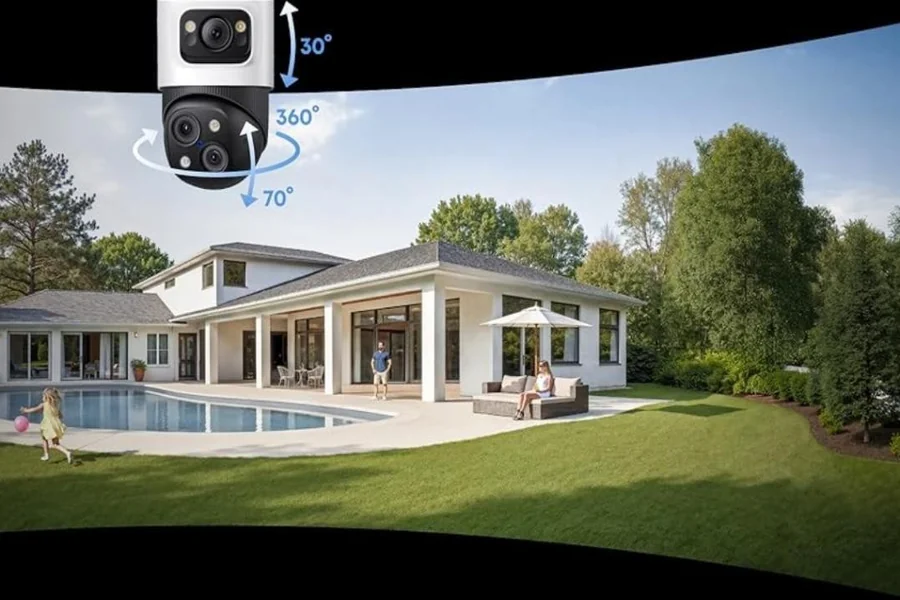
A wide-angle lens allows a single POE camera to cover larger areas, reducing blind spots and lowering the need for multiple devices. Cameras with a 120-160 degree field of view can easily monitor driveways, front yards, and back gardens. The larger coverage guarantees that movement near the property’s perimeter is caught without losing any details. A narrower vision may need the use of more cameras, which would raise costs and complexity. Wide-angle lenses are also effective in motion detection, allowing the system to recognize activity more quickly. Maximizing coverage provides homeowners with better safety and more effective outdoor security settings.
HDR and Low-Light Performance
Outdoor cameras must work effectively in a variety of lighting conditions, ranging from brilliant sunlight to darkened corners and nocturnal darkness. High Dynamic Range (HDR) adjusts contrast to avoid extremely dark or washed-out sections in film. This function maintains clarity even when bright lights or glare are present in the picture. Low-light performance is also important, with infrared night vision or color night vision allowing cameras to catch details in near-complete darkness. Cameras with larger image sensors or specialized low-light technologies provide clearer images. Clear night footage typically decides whether an occurrence is adequately captured; therefore, HDR and low-light performance are essential characteristics.
What Smart Features Improve Home Security?
Motion Detection and Smart Alerts
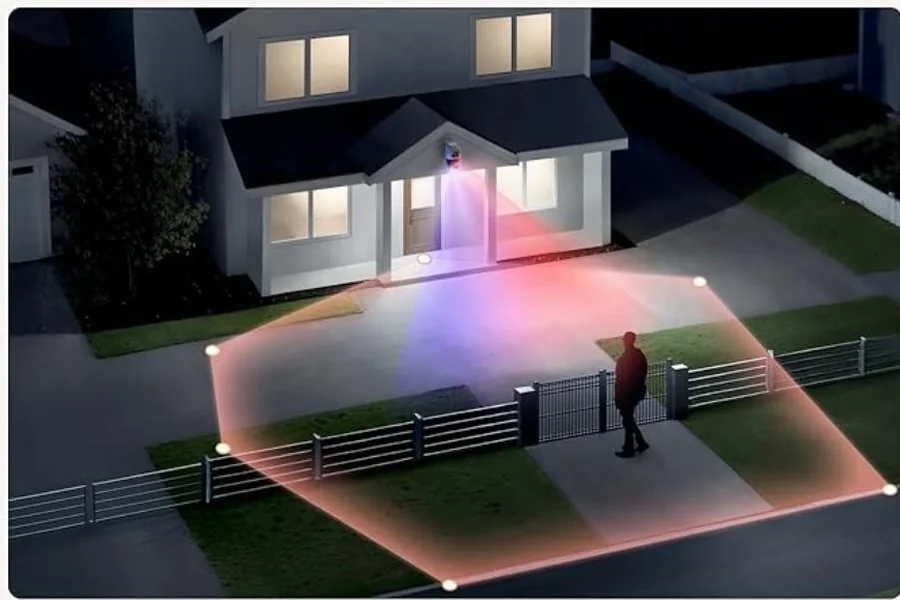
Motion detection allows cameras to focus on only essential events, eliminating unwanted recordings. Smart systems evaluate movement and transmit real-time notifications to your phone, notifying you when something strange occurs outdoors. Advanced versions can discriminate between humans, dogs, and vehicles, which reduces false alerts caused by swaying trees or passing automobiles. This reduces time and increases accuracy, allowing homeowners to reply more quickly. Motion detection combined with customisable zones improves productivity by allowing you to monitor high-risk areas such as entrances or gates. Smart notifications filter and prioritize movement, ensuring you never miss vital action while avoiding continuous disruptions.
Two-Way Audio Communication
Two-way audio changes a camera from a passive spectator to an active deterrent. Built-in microphones and speakers enable homeowners to listen and communicate directly through the gadget. This function allows you to warn visitors, provide delivery instructions, and comfort family members at the door. Clear audio also provides an additional layer of evidence by capturing discussions that may support visual footage. Some systems contain noise-cancelling technology, which keeps speech audible even in windy or congested locations. Two-way audio enhances convenience and security by allowing real-time interaction, transforming a simple camera into a smart tool for everyday protection.
Integration with Smart Home Systems
The best outdoor cameras integrate smoothly with larger smart home ecosystems. Users may manage cameras via voice commands or central applications thanks to platform compatibility with Google Home, Amazon Alexa. Integration enables automation, such as activating lights when motion is detected or connecting film to smart locks for better entrance control. Connected systems provide tiered safety, with diverse devices supporting one another. For example, a smart doorbell and an outside camera may communicate data, providing complete surveillance of the property. When cameras are integrated into current smart installations, they become part of a stronger, more intelligent home protection system.
Conclusion
The finest outdoor security camera combines high-quality video with innovative smart features to give complete home safety. High resolution, wide coverage, and dependable low-light performance ensure that every detail is caught day and night. Smart features such as motion detection, two-way audio, and system integration enhance the camera’s duty from event recording to active threat prevention. With technology rapidly improving, investing in a camera that combines clarity, intelligence, and compatibility pays dividends in the long run. By carefully assessing these qualities, homeowners may choose a security solution that improves safety, convenience, and provides peace of mind around the clock.