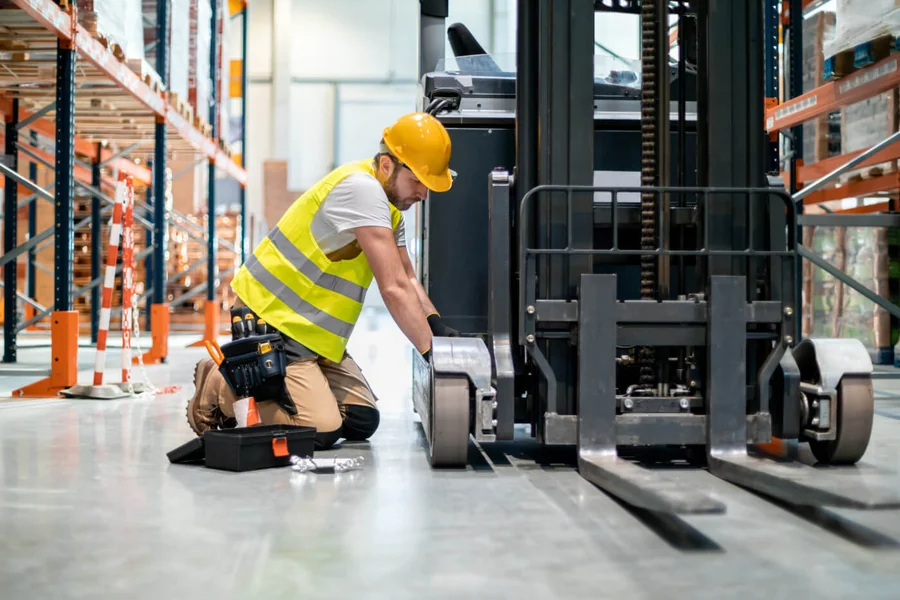
You already know downtime is annoying. But it’s more than that—it’s expensive, frustrating, and harder to recover from than most people think. One machine stalls, and suddenly everything backs up. Orders fall behind. Workers stand around. Tension rises. Most operations don’t realize how small things like outdated batteries can kick off that domino effect. Take forklifts, for example. When they’re constantly charging or breaking down, your whole system suffers. Many facilities are switching to smarter options like Deka forklift batteries to help keep the wheels turning with less interruption.
The Real Cost of Downtime
Let’s talk numbers for a second—not the ones on your invoice, but the ones you don’t see.
Downtime costs come at you from all sides. You lose time, sure. But also money, morale, and momentum. A machine breaks down? That’s one less unit per minute. Multiply that by hours, then days. Then add the overtime your team has to work just to catch up. And don’t forget the fines or lost clients from missed deliveries. Those aren’t soft losses—they hit hard.
Then there’s the trust factor. If your team feels like things are always breaking, they’ll stop reporting problems. They’ll just get used to the chaos. And when customers notice delays are becoming a trend, they may not say it, but they’re probably shopping around.
Common Causes of Equipment Downtime
Downtime isn’t always about one big blowout. More often, it’s death by a thousand little things.
Maybe it’s that old conveyor motor that keeps tripping the system. Or forklifts that don’t last a full shift. Maybe it’s charging them all at the same time, so your power grid gets overloaded. It could be you’re using outdated batteries that can’t handle today’s pace. Or it’s the equipment you’ve been “meaning to replace” for three years.
A lot of facilities get stuck in a loop—something breaks, you fix it, and keep going. But that’s reactive. And it’s risky.
The Role of Preventive Maintenance and Smart Upgrades
Look, no one likes to stop a working machine just to “check on it.” But preventive maintenance doesn’t mean overhauling your entire system. Sometimes, it’s about doing small things before they become big problems.
Check your wear-and-tear data. Run diagnostics weekly. Make a checklist. And upgrade slowly, not all at once.
New tech isn’t about being flashy. It’s about control. Smarter motors run cooler. Better batteries charge faster and last longer. Integrated software helps you spot issues in real time. It’s not magic, it’s just giving yourself the information you need before things spiral.
Downtime’s Impact on Worker Efficiency and Safety
You can’t ignore the people side of this.
When machines go down, workers shift into chaos mode. They start improvising. They wait around. They rush. And when people rush, mistakes happen. That’s when safety takes a hit.
Plus, downtime wrecks momentum. You might have a team that thrives on rhythm—pick, move, repeat. Then something fails. The rhythm’s gone. It’s harder to get it back than you’d think.
And here’s the kicker: when breakdowns are frequent, people stop caring. They become numb to it. “It’s just how things are.” But that mindset is dangerous. It makes everyone complacent.
Building a Downtime-Resistant Operation
You won’t eliminate downtime completely. But you can make it rare and manageable.
Start by being honest about what’s not working. Don’t wait until something fails for the third time. Replace it. Build in charging cycles that don’t overlap. Train your team to notice early warning signs. Make small upgrades that fit your budget.
Think of your operation like a living system. It needs care, updates, and breathing room. You can’t just run it at 100% forever and expect nothing to break.
And when you do make those upgrades—whether it’s new charging systems, better batteries, or connected software—track the difference. Don’t just guess. Know your numbers.
Wrapping Up
Downtime is a silent killer. It sneaks up, chips away at productivity, and leaves you scrambling. You can’t afford to just “live with it” anymore. The stakes are higher now. Customers expect faster. Costs keep rising. And your team can’t function well in chaos. It’s time to rethink what normal looks like. Get systems in place that don’t just respond—they adapt. Because in the long run, your success depends on more than just output; it depends on optimizing industrial workflow so that everything, and everyone, moves forward without friction.