Solar batteries face challenges that ordinary car or phone batteries never encounter – daily deep discharges, irregular charging patterns, and years of continuous service. Unlike a car battery that delivers short bursts of high current to start an engine, solar batteries must reliably provide steady power through long nights and cloudy days. These specialized energy storage devices incorporate unique designs to handle the demanding solar environment. In this article, we’ll explore the critical features that distinguish solar batteries from conventional options and help you understand what really matters when choosing one for your renewable energy system.
1. Deep Cycle Capability
True solar batteries are designed for depth of discharge (DoD) that would destroy regular batteries within months. While a car battery might fail after 50 deep discharges, quality solar batteries endure 500-5,000 cycles at 80% DoD. This durability comes from thicker lead plates in lead-acid types or specially formulated lithium compounds that resist degradation. The key measurement is cycle life at specific DoD – a battery rated for 3,000 cycles at 50% DoD may only last 1,500 cycles at 80% DoD. For solar users, this means sizing your battery bank so you rarely discharge below 50% for maximum lifespan, while having enough capacity for occasional deep discharges when needed.
2. Battery Chemistry Types
Lead-Acid (Flooded/AGM/GEL)
Flooded lead-acid batteries, the most affordable option, require regular water refills but offer good value for large, ventilated systems. AGM (Absorbent Glass Mat) versions are sealed and maintenance-free, handling vibrations better – ideal for mobile installations. GEL batteries excel in high-temperature environments with their thick electrolyte paste. All lead-acid types share limitations: 50-60% usable capacity for longevity, 70-85% round-trip efficiency, and 3-5 year typical lifespan. They’re like dependable workhorses – not glamorous but proven over decades of solar use. Properly maintained, these can still be a smart choice for budget-conscious off-grid systems.
Lithium (LiFePO4/NMC) Comparisons
Lithium iron phosphate (LiFePO4) batteries dominate modern solar installations with 80-90% usable capacity, 95%+ efficiency, and 5,000+ cycle lifespans. They charge faster, weigh half as much as lead-acid equivalents, and require no maintenance. Nickel manganese cobalt (NMC) variants offer slightly higher energy density but shorter lifespans. Lithium batteries automatically balance their cells and throttle charging when cold – crucial for unattended solar systems. Though initially more expensive, their longer lifespan and greater usable capacity often make them cheaper over time.
3. Energy Density & Efficiency
Energy density determines how much power fits in a given space – critical for RVs or small homes. Lithium batteries pack 2-3 times more usable energy per cubic foot than lead-acid. Efficiency matters equally – if your solar panels send 10kWh to a battery with 80% efficiency, you only get 8kWh back. Lithium’s 95%+ efficiency means more harvested sunlight actually powers your devices. This difference grows crucial during winter when every watt counts. High efficiency also reduces solar array size – you might need 20% fewer panels with lithium versus lead-acid to achieve the same net output.
4. Temperature Tolerance
Batteries behave differently in your cozy living room versus a sweltering garage or freezing cabin. Lead-acid batteries lose about 30% capacity below freezing and degrade quickly above 90°F. Lithium handles cold better but shouldn’t be charged below 32°F without internal heaters. Some solar batteries include insulation or active temperature management – essential for harsh climates. Placement matters too – batteries in conditioned spaces last years longer than those in uninsulated sheds. Consider temperature like a battery’s diet – keep it in the comfort zone (50-86°F ideally) for peak performance and longevity, just as you’d avoid extreme diets for your own health.
5. Safety Features
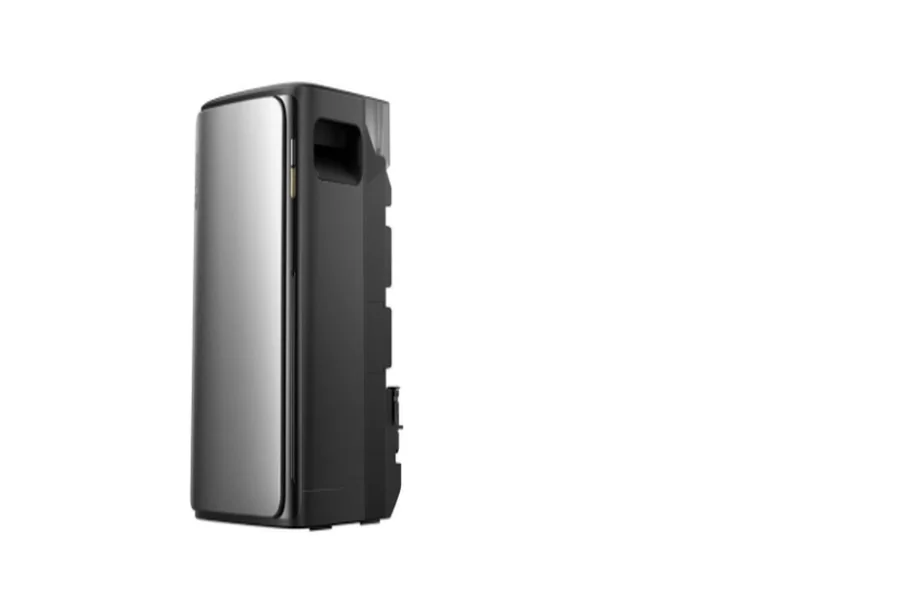
Quality solar batteries incorporate multiple safeguards: pressure relief vents (lead-acid), flame-retardant casing (lithium), and thermal cutoff switches. Lithium models with UL1973 certification undergo rigorous testing for fire safety. Lead-acid batteries risk hydrogen gas emission but won’t experience thermal runaway like damaged lithium can. Look for batteries that isolate internal shorts and prevent overcurrent situations – crucial when children or pets might access the equipment.
6. Maintenance Requirements
Flooded lead-acid batteries demand monthly water refills (distilled only) and terminal cleaning to prevent corrosion – neglect can halve their lifespan. AGM and lithium batteries are truly “install and forget” beyond occasional state-of-charge checks. All batteries benefit from annual capacity testing to catch degradation early. Equalization charges can revive stratified lead-acid batteries but harm lithium if improperly applied. Consider maintenance like dental care – small regular attention prevents major issues later.
7. Scalability Options
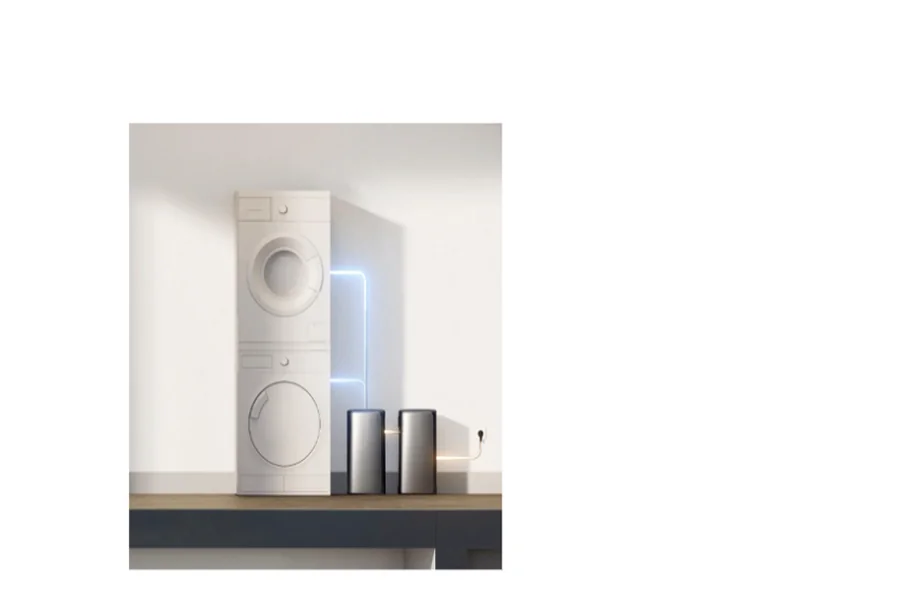
Modular systems allow adding capacity later without replacing entire setups. Some batteries connect in parallel to increase storage, while higher-voltage series connections boost power delivery (like increasing water pressure). Look for batteries designed for expansion with built-in communication ports between units. The best systems automatically balance charge across multiple batteries without extra equipment. This scalability is like building with LEGO – start small but leave room to add pieces as your solar needs grow, whether that’s more appliances, an electric vehicle, or a home addition.
8. Smart Functionality
Built-in Battery Management Systems
Advanced BMS technology continuously monitors cell voltages, temperatures, and current flow – like a battery’s personal doctor. It prevents overcharge/discharge, balances cells, and can even predict remaining lifespan based on usage patterns. Some systems adjust charging based on weather forecasts – filling batteries faster before predicted cloudy days. This intelligence maximizes both daily performance and long-term durability. A good BMS is the difference between a battery that fails prematurely and one that delivers its full rated cycle life.
Bluetooth Monitoring
Smartphone connectivity transforms battery management – check state of charge from your couch or receive alerts if problems arise. Historical data tracking helps optimize usage patterns and predict replacement timing. Some apps even show real-time power flow diagrams – useful for teaching kids about energy conservation.
Conclusion
Selecting a solar battery involves balancing capacity, lifespan, efficiency, and cost – there’s no universal “best” option. For small weekend cabins, rugged lead-acid might suffice. Whole-home systems benefit from lithium’s longevity and depth of discharge. Those planning future expansion should consider modular systems like the EcoFlow Power series, which allows flexible capacity upgrades from 1.9kWh to 11.5kWh while supporting multiple solar inputs. Remember: your solar battery isn’t just a component – it’s the heart of your off-grid or backup power system. Choose one whose features match both your current needs and future aspirations for energy independence.