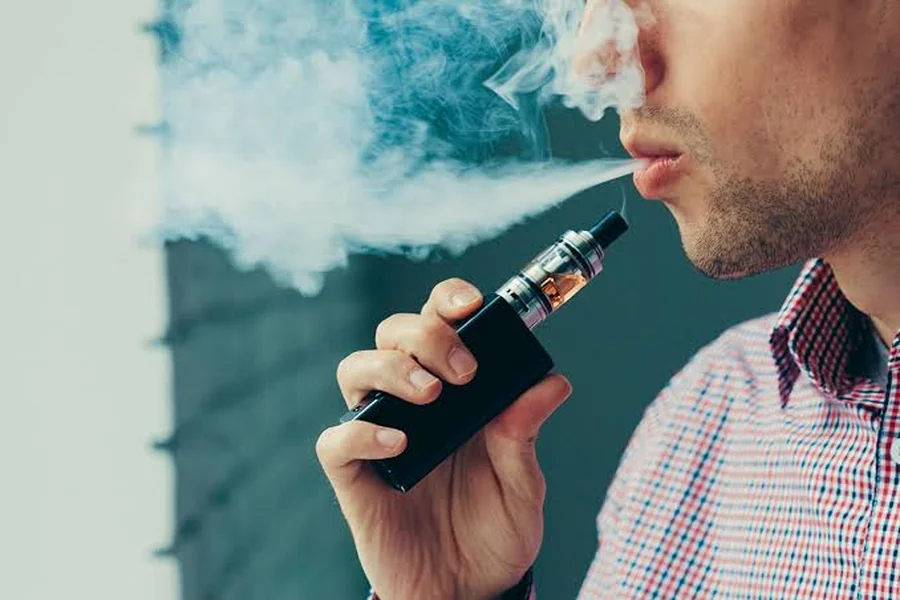
For many adult smokers, the move to vaping is not driven by trendiness or novelty. It is usually a practical decision made after years of living with the downsides of cigarettes: the cost, the smell, the routine of smoke breaks, and the growing awareness of what combustion does to the body. Some people switch quickly after one bad cold or one particularly expensive week. Others arrive there more slowly, after several failed attempts to quit nicotine altogether.
What matters is that the shift rarely happens for just one reason. It is usually a mix of health concerns, lifestyle changes, financial pressure, and the simple fact that vaping offers something cigarettes do not: choice. Smokers are used to a fixed product. Vaping, by contrast, allows people to adjust nicotine strength, flavour, device type, and intensity. That flexibility turns out to matter more than many non-smokers realise.
The Appeal of Control
One of the biggest differences between smoking and vaping is the degree of control involved. A cigarette is a cigarette. The taste may vary slightly between brands, but the delivery method is essentially unchanged. Vaping gives adults a more adjustable experience, and that can make the transition feel more manageable.
Nicotine Without the Same Ritual
A lot of smokers are not only attached to nicotine. They are attached to timing, hand movement, inhalation, and the short pause a cigarette creates in the day. That is one reason some nicotine replacement products work for some people but not for others. A patch may address nicotine, but it does not address habit.
Vaping often appeals because it sits somewhere between a cigarette and a cessation aid. It can replicate certain behavioural cues while giving users more say over nicotine intake. Someone who smoked heavily may begin with a higher nicotine strength and gradually reduce it over time. Someone else may simply want an alternative to lighting tobacco.
A Different Conversation Around Risk
Health is another major factor, though people do not all respond to it in the same way. Some switch because of a warning from a doctor. Others do it after climbing stairs leaves them winded. In the UK, public health messaging has generally framed vaping as a lower-risk option for adult smokers than continuing to smoke combustible cigarettes, while still making clear that vaping is not risk-free and is not intended for non-smokers or young people.
That distinction matters. Smokers who feel overwhelmed by “quit or fail” thinking may see vaping as a more realistic step. It does not ask them to leap instantly from dependency to abstinence. It gives them another route.
Practical Reasons Matter More Than People Admit
Not every switch begins with health. In fact, many begin with everyday frustration. Smoking has become expensive, inconvenient, and increasingly isolating. Vaping does not erase nicotine dependence, but it can change the practical experience around it.
For someone just starting to compare options, looking through a UK vape shop for e-liquids and devices can make the shift feel more concrete. Instead of a single “vape” category, they find pod systems, starter kits, refillables, nicotine salts, shortfills, and strengths designed for different smoking histories. That variety is not just product noise; it reflects the reality that smokers do not all need the same thing to move away from cigarettes.
Cost Predictability
The financial side should not be underestimated. Cigarettes create a repetitive, non-negotiable expense. Vaping can still cost money, of course, but many former smokers find it easier to manage because the spending is more flexible. Once the initial device is purchased, ongoing costs often depend on how much a person uses, what kind of liquid they choose, and whether they prefer prefilled or refillable systems.
That predictability can be a turning point. Smokers often know exactly how much they are spending, and many are tired of watching the total climb.
Smell, Stigma, and Daily Friction
Then there is the social side. Cigarette smoke lingers on clothes, in cars, and around the home. Many smokers become deeply self-conscious about that, especially around children, non-smoking partners, or in professional settings. Vaping has its own etiquette and should never be treated as invisible, but it does not produce the same stale smell or ash.
That alone is enough to push some people toward trying it. Others simply get tired of planning life around cigarette breaks, bad weather, or the awkwardness of stepping away from dinners, meetings, or family events.
Why the Switch Is Not Always Instant
If vaping seems like an obvious alternative, why do some smokers still struggle to make the change? Because switching is not just about buying a device. It involves trial, adjustment, and often a bit of patience.
The Wrong Setup Can Put People Off
A common mistake is assuming any vape will do. In reality, the right choice depends on smoking habits. A pack-a-day smoker may need a different nicotine strength and device style than a social smoker who only reaches for cigarettes on weekends. If the nicotine level is too low, vaping can feel unsatisfying. If the device is too complicated, people often give up before they settle in.
That is why successful switching usually looks less like a dramatic overnight transformation and more like a period of calibration. People test what works, what tastes acceptable, and what fits naturally into their routine.
Identity Plays a Role Too
There is also a psychological piece. Many long-term smokers do not simply use cigarettes; they identify as smokers. That identity can be surprisingly sticky, even when they dislike the habit. Vaping can act as a bridge, helping people rework the role nicotine plays in their day without forcing an immediate all-or-nothing break.
For some, that bridge leads to eventually reducing nicotine or stopping altogether. For others, it simply means no longer smoking tobacco. Either way, the transition is often more layered than outsiders assume.
A More Honest Way to Understand the Shift
People switch from smoking to vaping because smoking stops feeling worth it. Sometimes that realisation is health-related. Sometimes it is financial. Sometimes it is as ordinary as not wanting clothes to smell of smoke anymore. Usually, it is a combination.
The important point is this: adult smokers are rarely looking for perfection. They are looking for a change they can actually stick with. Vaping appeals because it offers flexibility where smoking offers rigidity. It lets people adapt the experience, rather than submit to a fixed one.
That does not make vaping a lifestyle cure-all, and it should not be framed that way. But it does explain why so many smokers see it as a credible alternative. When a habit is deeply embedded, the most effective change is often not the most dramatic one. It is the one that feels possible on a Tuesday afternoon, in real life, when habit and routine are doing their best to pull you back.