Lenticular art has been creating movement and dimension in simple images for a long time now. Even though the medium is almost “magic”, the result comes from a recipe of careful printing, engineered lenses, and, possibly most importantly, viewer motion.
Motion brings out the depth and 3D feel of 3D lenticular art displays. When the spectator moves slightly, the layers, angles, and details that the 3D artwork has can be discovered.
As a result, lenticular art becomes interactive rather than just static and invites people to play. It’s this feeling of “being there” at an event that helps make the medium so powerful, especially in a screen-based world.
Furthermore, motion lends a lenticular image an immersive quality that invites viewers to slow down, shift perspective, and engage with it from different angles.
By understanding how Motion contributes to 3D lenticular depth, you can better appreciate how this magic works.
O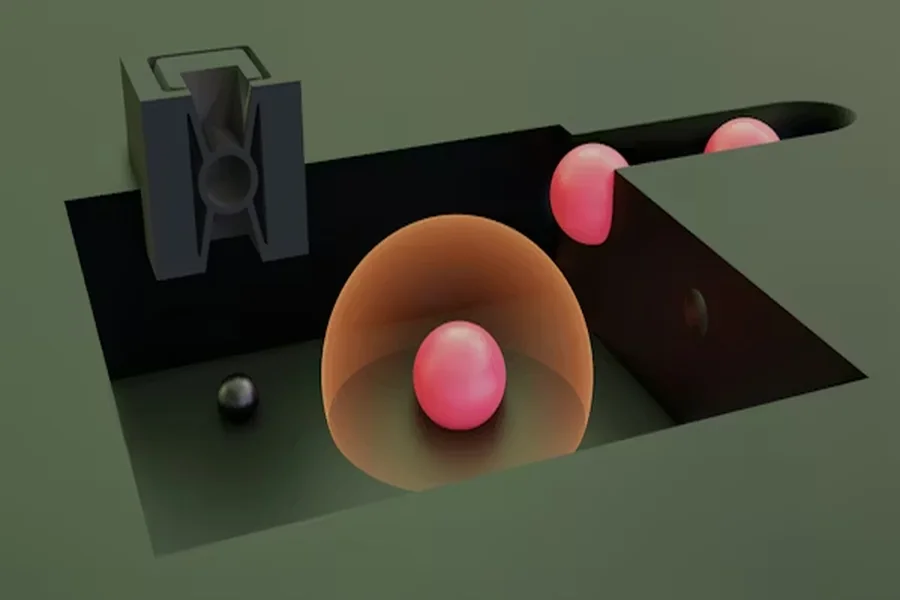 ptical Engineering Behind Lenticular Depth
Lenticular art consists of an advanced optical system at its core. Those familiar ridged sheets applied over printed graphics, lenticular lenses are actually designed to refract and direct light in a particular manner.
Many different pictures are overlapping one another underneath these lenses, so orderly positioned that each ridge organ directs a somewhat different view to each eye. Even though this design already exudes dimensionality, a sense of motion takes it up a notch, especially when enhanced through motion and 3D lenticular techniques.
When viewers move from side to side, the lenses provide new slices of images to each eye. The brain interprets the differences between the images for depth.
Due to this, even the slightest flicker of movement makes it seem as if the artwork expands, recedes, or shows something completely new. Parallax is the same principle that allows humans to see distance in day-to-day life. Thus, lenticular art is most engaging when movement is invited, since the changing perspectives heighten the illusion.
Moreover, optical engineering lets artists decide how dramatic or subtle the effect must be.
By designing the images carefully, you are able to work with smooth transitions, bold 3D pops, or soft layers that unfold with movement. The combination of the art of Motion and the science of lens design gives a scientific touch and an enchanting touch.
Motion as a Catalyst for Viewer Engagement
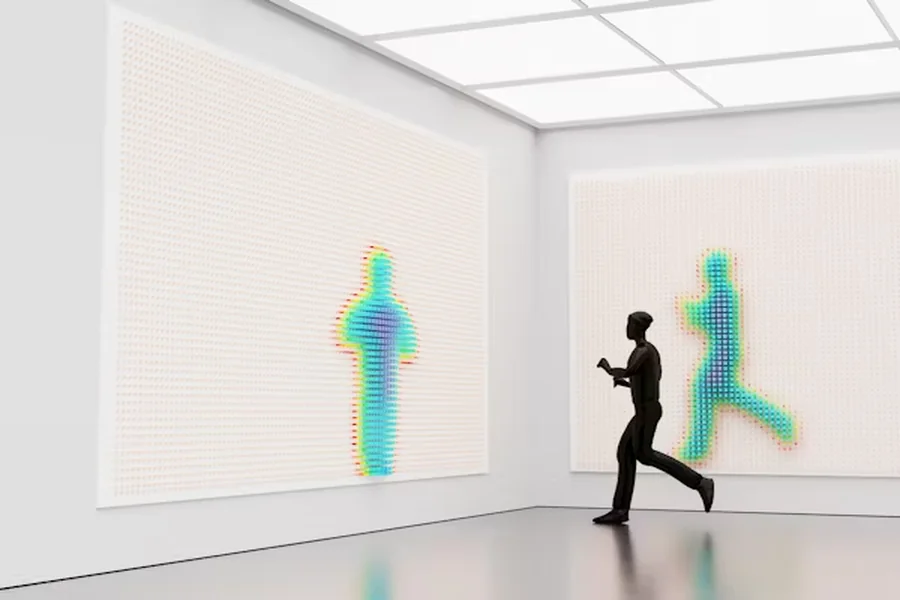
The movement adds significant value in creating the emotional engagement of the audience. Lenticular works invite engagement while conventional art invites observation. The audience has an instinct to move closer, shift sideways, or tilt their heads towards the screen to seek a new perspective.
So, when a person looks at the painting, it is not the same experience each time.
This interactivity increases engagement and curiosity. Lenticular artwork encourages exploration rather than just a one-dimensional view. This makes the viewer-art relationship more unique, as every move reveals something. The artwork has a responsiveness that is unique to you.
Moreover, the dynamic character of lenticular art is exceptionally efficient in areas such as public spaces, shops, and marketing. People passing by cannot help but get up and see what changes. Making the artwork move makes it more memorable and has more depth than a still print piece would have.
As a result, Motion acts as a magnifying glass, bringing the viewer closer to the artwork, mentally and physically.
How Movement Creates Layers of Perception?
3D lenticular images are layered in nature. This complexity is one of its strengths. When drawing or painting, artists layer objects and people in the front, mid-back, and far back. It’s the Motion that separates the layers and brings them to life.
When a viewer turns, elements that appeared flat from one angle suddenly pop out, lending a depth to the overall composition. You’ll notice that shapes ripple and stretch outwards, while shadows move.
Plus, background textures show through more. When you move your head, each lenticule directs a slightly different slice. So, the layers misalign with each other. As the viewer stands closer to the decorative element, its size appears smaller and vice versa.
Besides, motion may reveal information that is usually hidden when viewed frontally. A viewer may only recognize the silhouette of a character, a glimmering design, or a tender ambient effect when they move. It creates a feeling of discovery, superb in depth and intrigue.
These changing layers give lenticular art the shifting 3D effect that catches the eye. The artwork seems full, three-dimensional, and nearly sculptural when in motion, despite being flat.
Motion-Enhancing Animation Effects Within Lenticular Pieces
While lenticular art’s three-dimensional depth is its main selling point, Motion creates a significant animated lenticular effect as well. By layering images in sequence under the lens, artists may create smooth transitions that mimic movement—a ball changing colour, a flower blooming, or a leaf blowing away. The artwork seems to come alive when the viewer moves.
Unlike a standard 3D image, this type of lenticular effect requires even more viewer movement. Each angle shows a different frame of the sequence, like a flipbook. Hence, animation is smooth and crisp depending on the motion.
Furthermore, animated lenticulars are able to combine depth and motion effects, resulting in striking imagery that changes drastically as one moves past and around it. Hybrid pieces show how potent the relationship between motion and lenticular engineering can be.
Artists recreate lifelike motion without electronic means through creative image sequences and sophisticated lens calibration, a way of manipulation unique to the medium.
Conclusion
Motion is not just something that you add to 3D lenticular art – it is something that brings the medium to life. Lenticular lenses have the ability to create layers that shift, animated transitions, and a depth that moves according to the viewer’s movements. The movement in this art reveals different views that make it feel like it is alive.
Also, the movement attracts interest and emotions and connects to the memory of lenticular pieces.