Transitioning to solar energy can be a transformative step for your home or business, offering both environmental and financial benefits. However, ensuring a smooth installation process requires careful planning and informed decisions. Many homeowners underestimate the importance of preparation, which can lead to delays, higher costs, or inefficiencies in the system. By understanding the necessary steps, evaluating your energy needs, and coordinating with installation providers effectively, you can set yourself up for a successful experience.
We will explore strategies to simplify your solar installation journey with North Valley Solar Power, from the initial assessment to post-installation considerations, helping you make choices that maximize performance and long-term value. With thoughtful planning, your move to solar energy can be both seamless and rewarding, delivering consistent energy savings while contributing to a greener future.
Preparing for Your Solar Installation
1. Assess Your Energy Needs and Roof Suitability
Before scheduling any installation, it is crucial to evaluate your current energy consumption and the potential solar output for your property. Begin by reviewing your utility bills to identify patterns in electricity usage throughout the year. Understanding peak usage times can help determine the appropriate size of your solar system. Additionally, consider the condition and orientation of your roof. Solar panels perform optimally on roofs that receive abundant sunlight and have minimal shading from trees or neighboring structures. Roof age and material are also important factors, as some materials may require reinforcement or replacement before installation. Consulting with installation providers can clarify these technical considerations and ensure your roof can safely support the system. This initial assessment lays the foundation for an efficient and effective solar setup, reducing potential issues later.
2. Research Incentives and Financial Options
Investing in solar energy comes with numerous financial considerations, and being aware of available incentives can significantly reduce costs. Many regions offer tax credits, rebates, or other incentive programs for installing renewable energy systems. Take time to research federal, state, and local programs applicable to your property, including net metering policies that allow you to receive credits for excess energy produced. Additionally, explore financing options such as solar loans, leases, or power purchase agreements, each offering different structures for upfront costs and long-term savings. Understanding the financial landscape before installation allows you to make informed decisions and avoid unexpected expenses. By carefully considering available incentives and payment methods, you can plan a system that aligns with your budget while maximizing energy and monetary benefits over time.
3. Choose the Right System Type
Solar systems come in several configurations, including grid-tied, off-grid, and hybrid models, each offering distinct advantages depending on your energy goals. Grid-tied systems connect directly to the local utility, allowing for energy credits and a reliable power source during low production periods. Off-grid systems are fully independent and often include battery storage to maintain power during outages. Hybrid systems combine these approaches, offering flexibility with both storage and utility integration. Selecting the appropriate system type depends on your location, energy demands, and long-term objectives. Engaging in thorough research or consulting providers can clarify which system best suits your circumstances. Proper selection ensures efficiency, reliability, and a smoother installation process while aligning with your sustainability goals.
4. Plan the Layout and Components
An effective solar installation requires careful planning of panel placement, inverters, and other critical components. Panels should be positioned to maximize sun exposure while minimizing shading, which can reduce overall energy production. Consider the aesthetic impact on your property and any homeowner association regulations or local codes regarding panel placement. Inverters, which convert direct current from panels into usable alternating current, should be placed in accessible areas for monitoring and maintenance. Additional components such as monitoring systems, wiring, and safety equipment must be integrated thoughtfully to ensure functionality and compliance with electrical standards. Planning the layout in detail ahead of time reduces installation errors and facilitates a streamlined process. Proper coordination of components also supports long-term maintenance and system performance.
5. Schedule Permits and Inspections
Obtaining the necessary permits and arranging inspections is a critical step that can impact the timing of your installation. Many municipalities require permits for electrical and structural work associated with solar systems. Filing applications in advance and understanding local regulations helps prevent delays and ensures that your installation meets safety and legal standards. Once the system is installed, inspections are typically conducted to verify compliance with building codes and electrical requirements. Coordinating these steps with your installer and local authorities helps avoid last-minute complications. Taking the time to manage permits and inspections thoroughly contributes to a smoother experience and provides assurance that your solar system is safe, reliable, and officially approved for operation.
6. Prepare for Installation Day
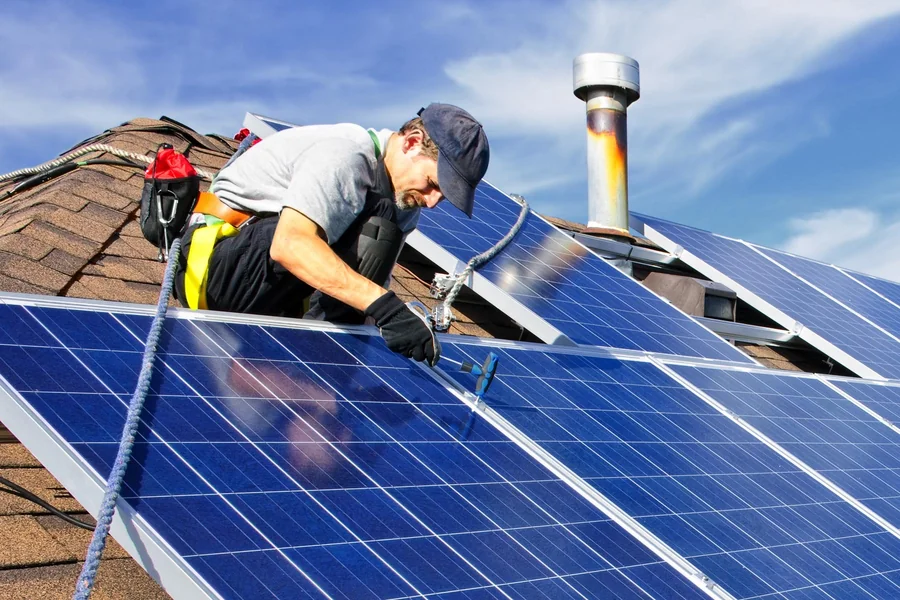
Preparation on the day of installation can make a significant difference in efficiency and minimize disruptions. Clear the area around your roof and any access points, ensuring that installers can work safely and without obstruction. Communicate with your household or business occupants about potential noise, temporary power interruptions, or restricted areas during the installation process. Having any required tools or materials ready, such as ladders or safety equipment, can also streamline the workflow. By anticipating logistical challenges and coordinating with the installation team, you reduce the likelihood of delays and complications. A well-prepared environment helps the installation proceed smoothly and ensures that the system is set up correctly the first time, avoiding costly adjustments later.
Planning a solar power installation requires careful attention to detail, from assessing energy needs to coordinating permits and maintenance. By taking the time to evaluate your roof, understand financial incentives, choose the right system type, and prepare for installation, you can avoid common challenges and ensure a smooth experience. Additionally, understanding layout considerations, inspections, and ongoing maintenance helps maintain efficiency and long-term performance. Approaching the process thoughtfully creates a seamless transition to renewable energy, providing both financial savings and environmental impact for years to come.