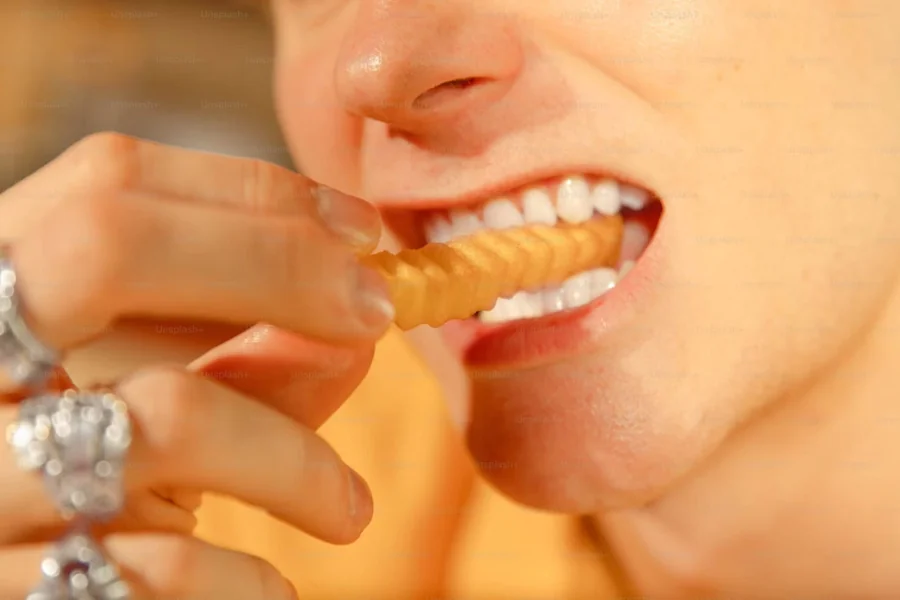
Food is one of life’s simple pleasures, and just because you have dentures doesn’t mean you have to give that up. Still, many denture wearers find themselves tiptoeing around certain textures, specifically crunchy ones. A new set of dentures can change the way your mouth feels and the way you approach every meal. It can even change the way you chew your food. But you will not have to stick to mushy meals forever. With the right techniques and a bit of patience, you can enjoy both soft and crunchy foods comfortably.
Understanding the Learning Curve
Switching to dentures is a bit like learning to drive a new car. Everything works, but you have to get used to how it handles. Soft foods are generally the easiest starting point because they don’t put much pressure on your gums or the denture base. Crunchy or chewy foods, on the other hand, demand more control and balance. There’s no strict rulebook, but understanding how different textures interact with your mouth helps you navigate meals with confidence instead of hesitation. With time, your jaw muscles adjust, your bite gets stronger, and your confidence around the dinner table returns.
The Case for Soft Foods
Soft foods are a solid go-to, especially early in your denture journey. They can be easy to chew, gentle on sore spots, and typically require less effort. But be sure to mix it up so that you don’t get tired of eating the same old food.
Alternative Options:
- Slow-cooked meats like shredded chicken or pulled pork
Scrambled eggs with herbs or sautéed veggies - Creamy soups with puréed root vegetables
Soft rice bowls with avocado and tender fish - Yogurt with ripe berries or banana slices
Texture can still be interesting without putting strain on your dentures. Try incorporating spices, healthy fats, and color to keep meals exciting while staying easy on the gums.
Are Crunchy Foods Good or Bad?
Crunchy foods tend to get a bad reputation among denture wearers, but with the right preparation and some minor adjustments, you can still eat them from time to time.
Start Slow and Choose Wisely
Here are a few tips to ease into crunchier textures:
- Cut food into smaller pieces. This allows for more control and less pressure.
- Chew evenly on both sides. This keeps the denture stable and reduces tipping or pinching.
- Dip or soften dry or crusty items. Crackers, toast, or veggies can be more manageable with a soft spread or dip.
- Cook until tender. Roasted vegetables can have some bite without being raw and unforgiving.
Balance and Mindfulness Matter
Eating with dentures becomes a much more enjoyable experience when you pay attention to how your mouth responds to each bite. Some days will feel better than others. The right balance of soft and crunchy keeps meals satisfying and gives you more freedom in your choices. Over time, you’ll learn what works best for you and your dentures will feel more like a natural extension of your bite, not a barrier to enjoying your meals.
If you are still struggling with discomfort while eating, it may be time to reassess the fit or function of your prosthetics. Providers of dentures Idaho Falls can help evaluate what’s going on and fine-tune your fit so you can get back to eating comfortably and confidently. With care, good technique, and maybe a few tweaks, you can get back to fully enjoying food. It is the kind of food that satisfies both your taste buds and your confidence.