Coastal living comes with its own rhythm. Salt air and long afternoons outside shape how families use their backyards. Pool areas sit at the center of that lifestyle, which is why safety standards keep evolving. The designs that worked ten years ago feel outdated now. Materials wear differently near the ocean. Weather shifts fast. Homes sit closer together. Kids run in and out all day.
By 2025, families want pool enclosures that match this reality. They want something that protects without blocking views, something strong enough for coastal conditions but still light enough to feel open. Any trusted San Diego pool fence company hears these requests daily. The standards are rising, and homeowners expect more than a basic barrier.
Here’s what now defines a truly safe and dependable enclosure for coastal homes.
Materials That Resist the Coast
Coastal weather breaks down weak materials faster than most homeowners expect. Metal rusts. Wood dries out. Cheap mesh splits after a season of sun. Even strong materials lose integrity when exposed to salt and heat at the same time.
Modern enclosures focus on durability above all. Powder-coated aluminum and high-tension mesh now lead the market. These materials handle UV exposure, chlorine, salt moisture, and temperature swings without degrading early.
Safety starts with what will still hold firm five years from now. That’s the benchmark for 2025.
Visibility Without Compromise
Older fences blocked the view entirely. Solid wood panels, thick metal bars, or opaque surfaces created blind spots around the pool. In coastal homes where kids run freely between indoors and outdoors, those blind spots turn into risks.
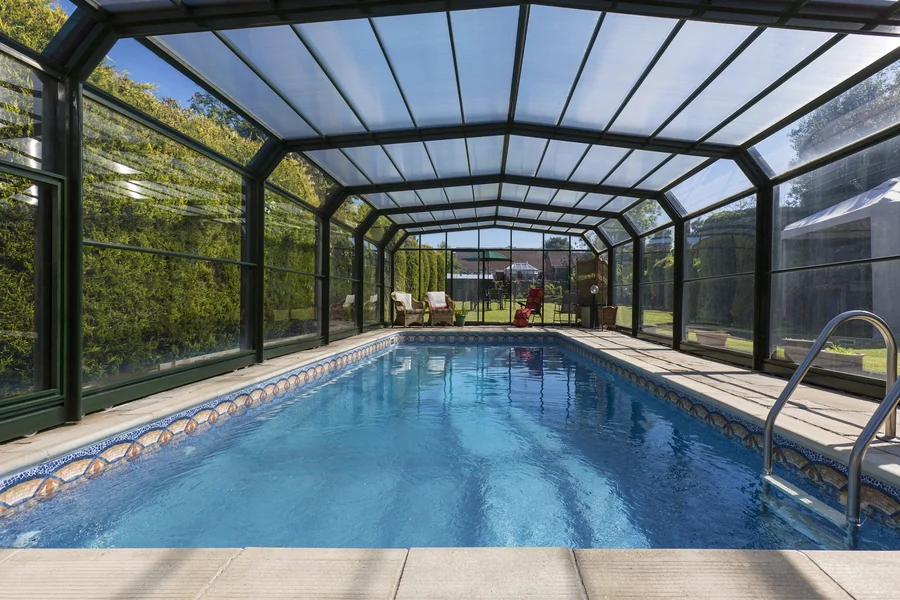
Newer enclosures prioritize visibility. Clear mesh, transparent panels, and thin-framed designs let parents see the water from patios, kitchens, or upper decks. Instead of choosing between safety and sightlines, families now get both.
This open style also suits coastal architecture, where sunlight and space matter.
Gates That Think Ahead
Almost every incident involving a fenced pool starts with a gate. Maybe it didn’t latch. Maybe it sagged after a few hot days. Perhaps a curious toddler found a way to pull it open. These are small failures that turn into big problems.
A safe 2025 enclosure uses self-closing and self-latching gates built for outdoor pressure. The hardware must function cleanly even when heat expands the frame or when coastal moisture settles into hinges. Gate height, latch placement, and swing direction all follow updated safety recommendations designed to prevent accidental entry.
Families don’t notice good gates because they work every time. That reliability is intentional.
Anchoring That Adapts to Shifting Ground
Coastal soil rarely stays still. Some yards sit on loose sand. Others mix clay, gravel, or landscaped fill. Rain changes the ground. Sprinklers soften it over time. If anchors aren’t set deep or firm enough, fence posts will lean.
Professional crews read the yard before drilling. They check grade changes, soil firmness, and drainage paths. Deep core anchors and reinforced sleeves now come standard in many installations. They protect the fence from shifting even when the ground does. shayari
A safe enclosure stays upright under pressure, not just from weather, but from kids leaning or a dog brushing against the mesh.
Smooth Edges and Comfortable Layouts
Parents want safety that feels safe. Sharp corners, exposed bolts, and rough surfaces make a yard feel tense. Modern enclosures use smooth finishes, rounded posts, and hidden hardware. This reduces snagging and minimizes injuries if children brush against the fence while running.
Layout matters too. Pathways should remain clear. The fence shouldn’t block natural traffic routes between the patio, grill, and pool steps. A well-designed enclosure protects without cutting the space into awkward pieces.
Removable or Modular Options
Backyards aren’t static. Families host parties, remodel patios, or rearrange outdoor furniture. In 2025, more homeowners will ask for fences with removable sections or modular builds. These allow temporary access while keeping safety intact the rest of the year.
The key is that these removable components lock just as securely as permanent ones. No loose panels. No soft anchors. No shortcuts. Flexibility should never weaken safety.
Compliance That Exceeds the Basics
Safety codes exist for a reason. There is the rule of minimum height, maximum gap size, gate direction, and Latch level. But the safest homes go beyond minimums.
San Diego inspectors expect professionals to know every update in local regulations. A reputable installation follows these codes closely. They enhance them with sturdier materials or stronger anchors. Homeowners should feel confident that their setup is genuinely protective, apart from being completely legal.
A Fence That Works With Coastal Life
A safe enclosure doesn’t interrupt how a family uses their yard. It blends into daily routines. It doesn’t block breezes or views. It doesn’t require constant upkeep. It stands strong without drawing attention.
This is what defines modern coastal safety: careful materials, smart design, and an understanding of how families move through outdoor spaces. It’s the difference between a fence that just exists and one that quietly protects every day.