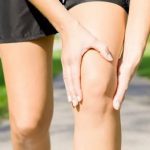
People try to heal on their own first. They go as far as self-diagnosing or assuming that everything’s fine. This placebo-thinking would keep them confident for several days, until something interrupts it. Whether it’s a stiff joint or a shooting pain in the back, this indicates that what they thought was a solution actually does the opposite, or simply has no positive effect at all!
Healing alone feels quiet, especially with bone-related conditions. When there’s no one to match your pace or remind you to slow down, it’s easy to push too quickly or stop too soon. Community classes save individuals from these dilemmas. They give the body a space where movement feels guided.
You see this clearly in osteoporosis classes in Darlinghurst, where each session feels less like a workout and more like shared recovery. The exercises matter, but the room itself does a kind of work that people don’t expect.
A Shared Rhythm Calms the Body
In a group, people move together without trying. They breathe more evenly. They take their time settling into a stretch. The nervous system relaxes because the room feels steady. There’s no urge to hurry the next rep or cut a movement short.
When someone exercises alone, the pace shifts depending on mood. Some days feel rushed. Some feel sluggish. A shared rhythm brings balance to both. It keeps movements slow and safe, which is exactly what fragile bones need.
Small Corrections Arrive Before Pain Does
Most home routines break down because of form. A slight twist. A knee drifting inward. Shoulders rising when they should lower. These tiny mistakes don’t hurt at first. Pain arrives days later, and by then the person doesn’t know what caused it.
In a community class, a physio catches these habits early. A quick cue. A repositioned foot. A reminder to soften the ribs. The correction takes seconds, but it prevents weeks of discomfort. People don’t realise how often they compensate until someone who knows the body well points it out gently.
Consistency Grows Naturally
Healing depends more on repetition than intensity. But repetition is hard to maintain alone, especially when progress feels slow. A class creates its own pull. People show up because others will be there. Missing a session feels noticeable.
That quiet accountability helps people stay steady. It keeps the exercises from becoming another task crammed into the end of the day. The body responds differently when movement becomes part of the week’s natural rhythm instead of something squeezed in at random.
Confidence Builds When Struggles Are Shared
People with bone loss often carry unspoken worries. Fear of falling. Fear of moving wrong. Fear of being the slowest in the room. These fears don’t show on their face, but they shape how their body reacts during exercise.
In a group, those fears soften. Someone nearby wobbles on the same balance drill. Someone else admits their hips felt stiff the week before. There’s comfort in hearing those small confessions. It turns the session into something familiar instead of intimidating.
When confidence rises, people move better. And better movement is safer movement.
A Calm Room Changes How the Body Heals
There’s a noticeable shift the moment someone steps into a warm, quiet exercise room. The chatter is soft. The mats are already laid out. People settle into their spots. This environment affects the body before the first stretch even begins.
Tension drops. Shoulders ease. Breathing slows. A calm nervous system responds to exercise differently. Movements become smoother. Joints feel less braced. The body learns patterns instead of fighting them.
This is something home spaces rarely provide.
Progress Becomes Visible When Others Notice
When people train alone, improvement sneaks up on them without much acknowledgement. They may stand a little taller or balance a little longer, but without feedback they often miss the signs. That can make progress feel smaller than it is.
In a class, someone will eventually say something. A neighbour noticing stronger posture. A physio remarking on steadier footwork. These observations matter more than people realise. They make the improvement feel real, and real progress is easier to maintain.