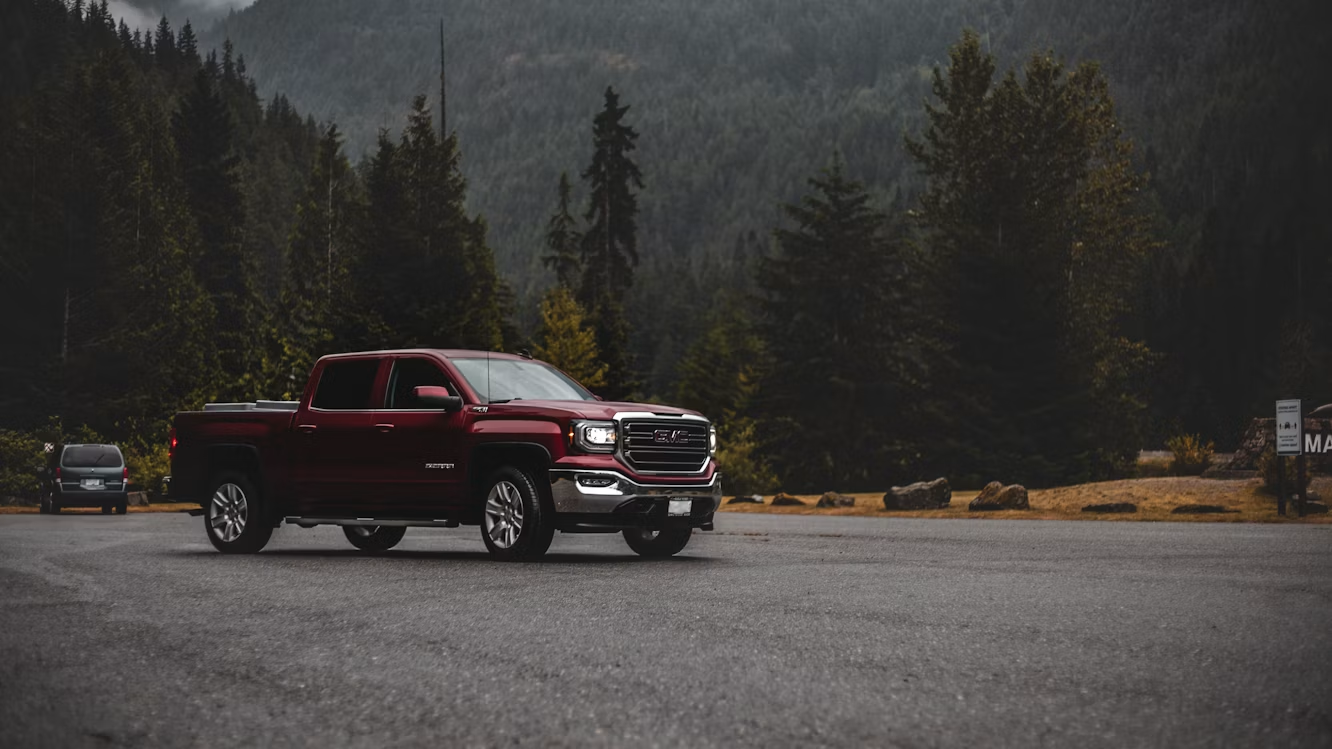
Vehicles owned by a business behave differently than vehicles owned by individuals. When an employee climbs behind the wheel of an asset they don’t personally own, driving habits change. You’ll see it in the telemetry data where trucks take corners at speed or idle for hours outside convenience stores…and suddenly potholes get hit without braking, curbs get clipped during turns, cab floors accumulate layers of mud, coffee, tools, and grease rags. It’s a cocktail that breeds rust before the year ends.
We see the spreadsheets at the closing of each quarter of the year. The data indicates that trucks from the factory cannot withstand years of labor in the field without dissolving into scrap metal. Executives track these metrics closely because repair bills destroy profit margins.
Spending cash on armor before a vehicle rolls onto a job site stops the slow drip of capital.
Salvaging the Auction Value
Buyers at auctions inspect cargo areas with scrutiny. When they spot metal, rust, gouges, and dents in panels, they drop their bids by thousands of dollars.
A bed without protection sustains damage during the weeks of hauling steel pipes, timber, tools, or concrete blocks, so smart fleet operators utilize a spray on bedliner to seal the steel against water and impact. What you end up with is a barrier that absorbs the punishment of loading cycles. It prevents the pockets of moisture that form under inserts. When crews drag toolboxes across the surface, the coating holds. When the time comes to sell the asset, the bed escapes damage, which preserves the valuation.
Keeping Assets on the Clock
A truck sitting in a repair bay earns no revenue. It actively drains cash while the operator sits in the breakroom waiting for components to arrive. Accidents (like a worker dropping a generator onto a bed rail or a crew scraping a crate along the utility body) put vehicles out of commission if corrosion takes hold. Mechanics take days to patch panels, order parts, spray primer, and bake finishes.
Fleet managers lose sleep over these delays because a missing asset halts progress at the construction site, the oil field, the pipeline, or the logistics hub. Protecting the surfaces reduces visits to the body shop. We see managers shield points of failure early. This strategy involves the installation of floor mats, rocker guards, skid plates, and grille shields to deflect debris. If a truck stays in the dirt, jobs finish on schedule.
Cabin Defense
Grit destroys interiors faster than failures of engines or transmissions. Crew members track salt, clay, spills, and water into footwells every day. Carpets from the factory absorb these liquids, lock the dampness against the floorboards, and rot the cab from underneath.
To tell the truth, the odor alone ruins the trade-in value when the lease terminates. No one wants to buy a truck that smells like mildew and chemicals. Managers substitute fabric for rubber barriers that endure spray from a pressure washer. It takes minutes to clean the cab instead of hours of labor with a vacuum.
Then again, upfitting requires calculation. Fleet operations cannot afford additions that add weight without utility. Chrome accessories, side steps, winches, and light bars often sit idle while adding ballast that compromises fuel economy. Every pound of equipment increases fuel consumption across a fleet – an expense that compounds over miles of travel on the highway or the interstate. Accountants calculate these variables before authorizing purchases. Upgrades must defend the metal, reduce downtime, lower the maintenance overhead, and guarantee survival until the turn-in date.