Every gust of wind that turns a turbine brings us closer to cleaner energy. But behind that graceful spin lies a complex system of mechanical and electrical components working in harmony. Each part, from the blades to the motor assembly, plays a vital role in producing reliable power. Precision and durability determine the effectiveness of these machines in harsh environments.
Among the most critical parts are rotor and stator laminations for energy industry applications. These components form the backbone of motor assemblies, helping convert mechanical motion into usable electrical energy efficiently. This article breaks down the essential elements that make wind turbine motors reliable, efficient, and built to last.
Rotor and Stator
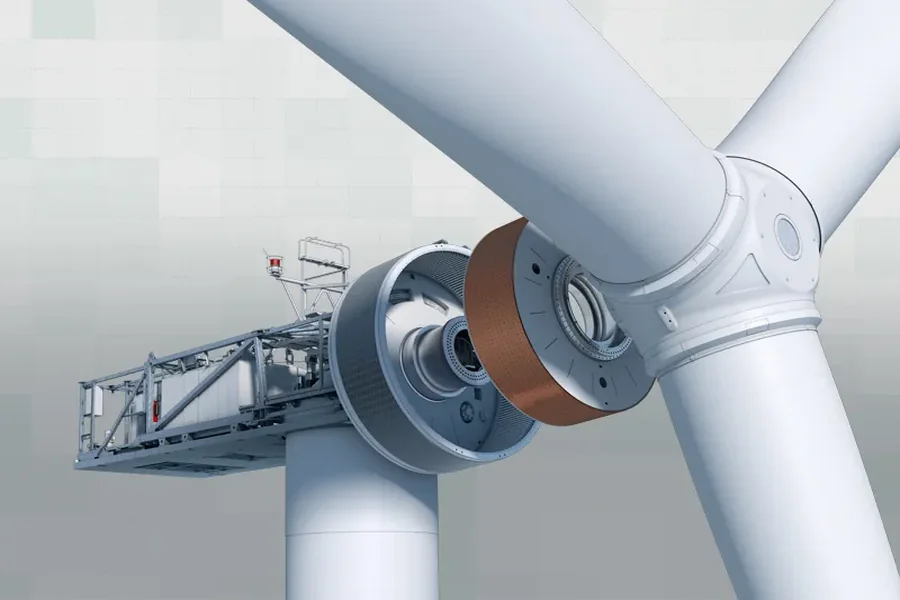
At the heart of every wind turbine motor lies the rotor and stator system. The rotor moves, generating a magnetic field that interacts with the stator to produce electrical energy. Together, they act as the driving force that converts kinetic wind energy into electricity.
The efficiency of this process depends heavily on precision. When rotor and stator laminations for energy industry applications are properly engineered, they reduce heat loss and improve power output. The tighter the alignment, the smoother and more efficient the energy transfer becomes.
Bearings and Shafts
Wind turbines face constant mechanical pressure from high-speed rotation and shifting wind conditions. Bearings and shafts are responsible for stabilizing the movement and preventing friction that could wear down the system.
High-quality bearings distribute the load evenly, reducing strain on the shaft. The shaft connects the rotor to the gearbox, transferring motion smoothly. Durable materials like hardened steel or alloy are used to handle extreme stress without bending or warping. This stability ensures the motor assembly runs quietly and consistently, even under heavy loads.
Gearbox
The gearbox acts as the bridge between the slow-moving blades and the high-speed generator. It converts the rotational speed of the rotor into the optimal speed for generating electricity. Without it, wind energy would lack the torque required for consistent power production.
Key functions of the gearbox include:
- Increasing rotational speed to match the generator’s input needs
- Managing torque to avoid overload during strong wind gusts
- Minimizing energy loss during mechanical transfer
Precision manufacturing and regular maintenance keep gearboxes efficient and prevent downtime. Proper lubrication and material strength are critical for long operational life.
Cooling Systems for Heat Management
Heat management plays a major role in maintaining motor performance. As the turbine generates power, friction and electrical resistance cause heat buildup within the motor assembly. Without proper cooling, performance can degrade quickly.
Cooling methods used in wind turbine motors:
- Air Cooling: Uses fans or ducts to circulate air through the motor casing.
- Liquid Cooling: Circulates coolant through channels to remove excess heat efficiently.
- Hybrid Systems: Combine air and liquid methods for high-capacity turbines.
An effective cooling design ensures components like the rotor, stator, and gearbox remain within safe temperature limits, preventing premature wear and failure.
Electrical Systems That Regulate Output
Wind turbines rely on advanced electrical systems to stabilize and distribute generated power. These systems include converters, control units, and transformers that manage voltage and frequency. Without this regulation, power output would fluctuate depending on wind speed.
The electrical system also includes sensors that monitor turbine health, adjusting performance in real time. This integration keeps power output consistent, reduces energy loss, and helps operators maintain optimal efficiency. Every wire, circuit, and connector plays a role in delivering steady electricity to the grid.
Materials That Enhance Durability
Wind turbine motors operate in challenging outdoor environments. Rain, dust, and extreme temperatures can wear down poorly chosen materials. That’s why engineers use corrosion-resistant metals and composite materials that withstand exposure without losing strength.
Common materials include:
- Stainless steel for high-stress areas
- Copper and aluminium for efficient electrical conductivity
- Epoxy coatings and resins for protection against moisture and dust
Durability is about protection and performance. Each material is chosen to balance strength, weight, and conductivity, ensuring turbines perform reliably across years of operation.
Every part of a wind turbine motor assembly, from bearings to electrical controls, serves a specific and crucial purpose. Precision engineering ensures smooth operation, minimal heat loss, and consistent power generation. Advanced components, such as rotor and stator laminations, for energy industry designs stand out for their ability to maximize output while maintaining durability under constant stress.
The success of modern wind turbines depends on how well these pieces work together. With precise design, durable materials, and efficient cooling and electrical systems, wind energy becomes more stable and sustainable. Each rotation of the turbine represents the harmony of these essential components, turning wind into a dependable source of clean power for generations to come.